Caregiver Needed Near Me:
A Complete Family Guide


Introduction:
Finding the right caregiver for a loved one is one of the most important decisions a family can make. Whether you’re searching for home caregivers near me for an aging parent, a child with special needs, or a recovering family member, knowing where to start can feel overwhelming. This guide walks you through everything you need to know — from understanding caregiver types and evaluating candidates to recognizing red flags, understanding costs, and deciding whether a caregiver agency is right for you.
What Types of Caregivers Are Available?
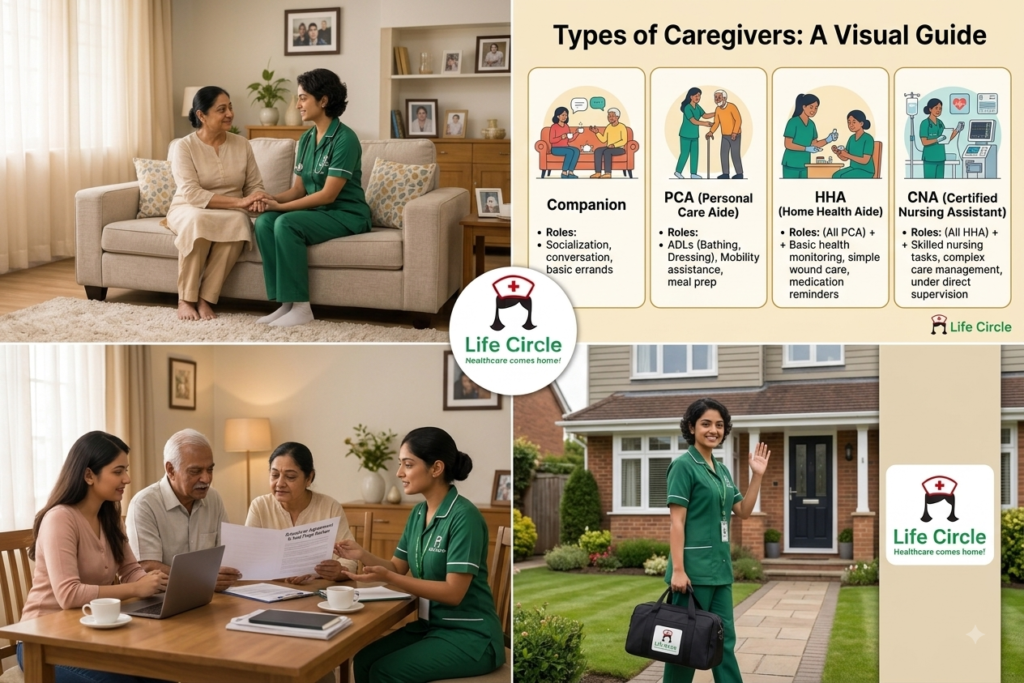
Before you begin your search, it helps to understand the different types of care professionals available. Not every situation requires the same level of support.
Personal Care Aides (PCAs)
Personal care aides assist with daily living activities such as bathing, dressing, grooming, and meal preparation. They are best suited for individuals who need companionship and non-medical support at home.
Home Health Aides (HHAs)
Home health aides provide a slightly higher level of care. They can monitor vital signs, assist with medication reminders, and support patients recovering from surgery or illness — all under the supervision of a healthcare professional.
Certified Nursing Assistants (CNAs)
CNAs are trained and credentialed to handle more complex personal care needs. If your loved one has a chronic condition or requires skilled assistance, a CNA may be the right fit.
Companion Caregivers
For seniors or individuals who are largely independent but need social engagement, errand support, or light housekeeping, companion caregivers offer flexible, non-medical assistance.
Specialized Caregivers
Some families need caregivers with training in dementia, Alzheimer’s, or pediatric care. These professionals bring condition-specific knowledge that can make a meaningful difference in day-to-day quality of life.
How to Find a Caregiver Near You
Knowing what type of caregiver you need is step one. Finding one who is qualified, trustworthy, and available in your area is the real challenge.
Start With a Needs Assessment
Write down a clear picture of what your loved one needs day-to-day. Include:
– Physical assistance required (mobility, hygiene, feeding)
– Medical needs (medication management, wound care)
– Emotional and social needs
– Schedule requirements (part-time, full-time, overnight)
This list becomes your hiring filter and saves time by ruling out mismatched candidates early.
Use Reputable Platforms and Local Resources
There are several ways to locate care takers near me:
– Caregiver agencies — Staffed by vetted, background-checked professionals (more on this below)
– Online caregiver marketplaces — Allow direct hiring but require more due diligence from families
– Hospital social workers — Can refer you to trusted local resources
– Community centers and senior organizations — Often maintain referral lists
– Word of mouth — Personal recommendations from friends, neighbors, or your doctor
Conduct Structured Interviews
Don’t skip the interview stage. A caregiver will be spending significant time in your home and with your loved one. Treat it like a professional hire.
Questions to Ask a Potential Caregiver
Asking the right questions upfront helps you assess skill, compatibility, and professionalism. Consider these:
1. What experience do you have with [specific condition or need]?
2. Are you certified or licensed, and can you provide documentation?
3. Have you completed a background check recently?
4. How do you handle emergencies or sudden changes in a client’s condition?
5. Are you comfortable with our specific schedule and location?
6. Can you provide references from previous families you’ve worked with?
7. What is your approach to building trust with a new client?
Take notes during the interview and compare responses across multiple candidates before making a decision.
Red Flags to Watch Out For
Even with careful vetting, some warning signs should stop you in your tracks.
– Reluctance to provide references or credentials — A qualified caregiver should have no hesitation here.
– Inconsistent work history — Frequent unexplained job changes deserve a direct conversation.
– Vague answers about past experience — Specificity matters. Generic answers may signal a lack of real experience.
– Requests for cash-only payment — This complicates accountability and leaves you with no financial paper trail.
– Dismissiveness toward the care recipient — Any sign of impatience or condescension during the interview is a serious concern.
– Pressure to hire quickly — Trustworthy candidates give you time to decide.
Trust your instincts. If something feels off during the interview, it likely is.
How to Evaluate a Caregiver Before Hiring
Beyond the interview, a thorough evaluation process protects your family.
Background and Reference Checks
Always run a criminal background check. If you’re hiring independently (not through an agency), use a reputable third-party background screening service. Call references directly — ask open-ended questions like Can you describe a difficult situation this caregiver handled?
Trial Period
Consider a paid trial period of one to two weeks before committing to a long-term arrangement. This lets your loved one adjust and gives you real-world insight into how the caregiver performs.
Caregiver Agreement
Whether hiring privately or through an agency, document the arrangement. A written agreement should outline:
– Scope of duties
– Work schedule
– Compensation and payment method
– Confidentiality expectations
– Termination terms
Understanding Caregiver Costs
Cost is a major factor for most families. Rates vary based on the type of care, location, qualifications, and whether you hire privately or through an agency.
General Cost Factors
– Type of care: Companion care costs less than skilled nursing care
– Hours per week: Part-time arrangements differ significantly from 24/7 live-in care
– Geography: Urban areas typically have higher rates than rural ones
– Agency vs. independent hire: Agencies include overhead and administration costs but offer built-in vetting and backup staffing
Private Hire vs. Agency
Hiring a caregiver independently may seem more affordable, but families take on employer responsibilities — including payroll taxes, insurance, and replacement coverage if the caregiver is unavailable. Agencies handle these complexities for you.
> Downloadable Checklist: Use our [Caregiver Hiring Checklist] to track every step — from needs assessment to signed agreement. (Internal link placeholder)
How Caretaker Agencies Can Help
For many families, working with caretaker agencies near me is the most practical and secure route.
What Agencies Provide
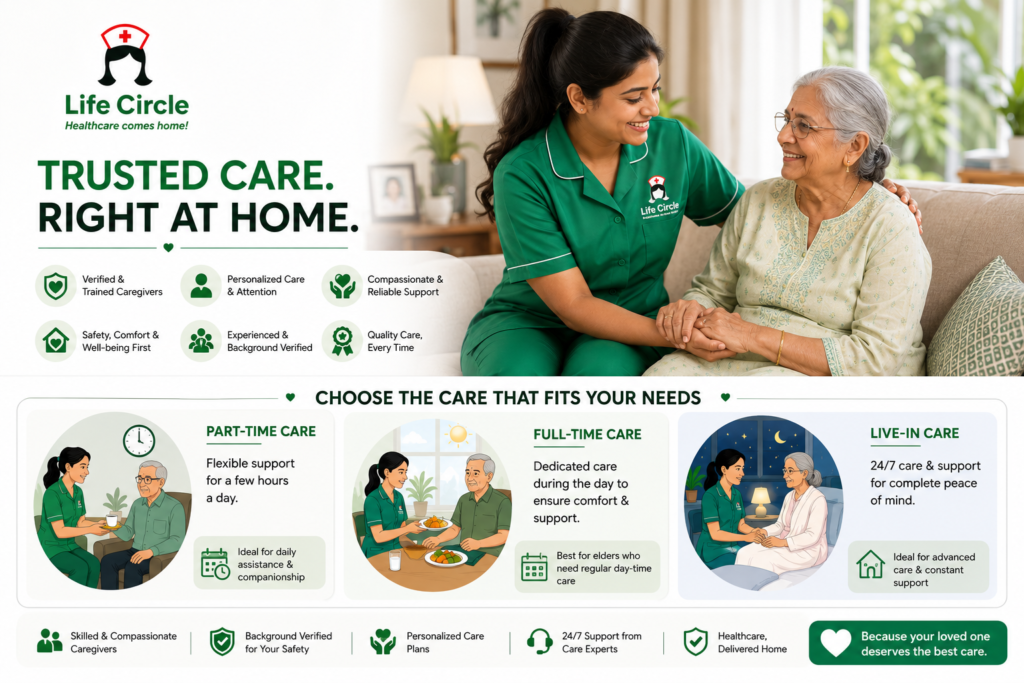
– Pre-screened and background-verified caregivers
– Ongoing supervision and quality checks
– Backup coverage when a caregiver is sick or unavailable
– Payroll, insurance, and compliance management
– Matching services based on your loved one’s specific needs
When to Consider an Agency
An agency is especially worth considering when:
– You don’t have time to vet candidates independently
– Your loved one has complex medical or behavioral needs
– You want continuity of care with backup staffing built in
– You’re unfamiliar with employment laws around private household staff
Agencies may cost more upfront, but the accountability and peace of mind they offer are significant.
Take the Next Step: Request a Free Consultation
Finding a caregiver needed near me doesn’t have to be stressful. With the right information and a structured approach, you can confidently identify the best person to support your loved one — and protect your family throughout the process.
Whether you’re just beginning your search or ready to start interviews, our team is here to help. Request a free consultation today and let us match your family with a qualified, compassionate caregiver in your area.
[Request a Free Consultation →] (Contact US)
—
Looking for more resources?
Explore our guides on [Understanding Home Care Services] and [How to Support a Senior Living at Home]
Frequently Asked Questions
What does a care taker work?
A caretaker (or caregiver) provides physical, emotional, and sometimes medical support to individuals who cannot fully care for themselves. Their work may include assistance with bathing, dressing, meal preparation, mobility, medication reminders, companionship, and light household tasks. The exact scope depends on the client’s needs and the caregiver’s qualifications.
What is the best way to find a caregiver?
The best approach combines a clear needs assessment with structured vetting. Start by identifying the level of care required, then explore options through caregiver agencies, hospital referrals, or trusted online platforms. Always conduct interviews, check references, run a background check, and use a written agreement before care begins.
What is the cost of caretaker in Delhi?
In Delhi, caregiver costs vary based on the type and duration of care. Part-time home caregivers typically charges from ₹15,000 per month, while full-time or live-in caregivers may cost ₹25,000 to ₹40,000 or more monthly. Specialized care for conditions like dementia or post-surgical recovery may be priced higher. Rates also differ between independent caregivers and those placed through agencies.
What is the cost of caretaker in Hyderabad?
In Hyderabad, caregiver rates are broadly similar to other major Indian cities. Part-time caregivers typically charges from ₹15,000 per month, while full-time and live-in care ranges from ₹30,000 to ₹40,000 per month depending on experience and care complexity. Agency placements may carry an additional service fee but provide screening and accountability benefits.