Life Circle Participates in the National Conference on Ageing in India 2025
Life Circle at the National Conference on Ageing in India: Emerging Realities, Evolving Responses
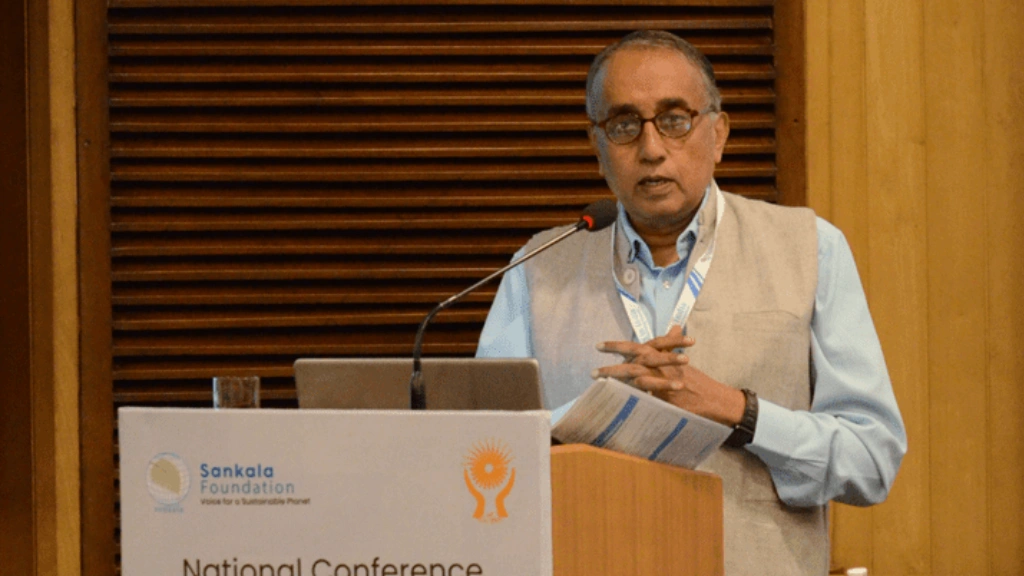
New Delhi, 1 August 2025 — Life Circle Health Services proudly participated in the National Conference on Ageing in India: Emerging Realities, Evolving Responses, organized by the Sankala Foundation at the prestigious India Habitat Centre, New Delhi. This landmark event united leaders from government, academia, civil society, and the private sector to address India’s rapidly shifting demographic landscape and chart a course toward healthy, active, and dignified ageing for every citizen.
The National Conference on Ageing in India served as a critical platform for meaningful dialogue around the pressing realities of an ageing population in India — and Life Circle was at the heart of it, contributing perspectives shaped by years of frontline eldercare experience.
India's Ageing Population: Understanding the Scale of Change
India stands at a demographic crossroads. The country’s elderly population is projected to reach an extraordinary 347 million by 2050, accounting for nearly 20% of the total population. This sweeping transformation in India’s age structure is not merely a statistical milestone — it represents one of the most significant social, economic, and policy challenges of our time.
The ageing population in India is growing faster than ever before, driven by improved healthcare outcomes, rising life expectancy, and declining fertility rates. Yet, the systems designed to support older adults — from healthcare infrastructure and social security frameworks to caregiving ecosystems and digital access — have not evolved at the same pace. Addressing this gap is both urgent and essential.
The National Conference on Ageing in India 2025 brought these challenges into sharp focus, providing a structured space for cross-sector leaders to assess emerging realities and co-develop evolving responses that are practical, scalable, and people-centred.
Reframing Active Ageing as a National Opportunity
One of the most powerful themes to emerge from the conference was the urgent need to reframe how India thinks about ageing — shifting the narrative from one of burden and decline to one of active ageing, purpose, and contribution.
Active ageing — as defined by the World Health Organization — is the process of optimising opportunities for health, participation, and security in order to enhance quality of life as people age. At the conference, this concept took centre stage, with sessions exploring how policies, programmes, and communities can enable older adults to remain engaged, independent, and valued.
Key thematic areas discussed throughout the day included:
- Health and mental well-being — promoting preventive care, geriatric health services, and mental health support tailored to older adults.
- Socio-economic security and inclusion — ensuring financial safety nets, pension access, and social participation for senior citizens.
- Digital literacy and access— bridging the technology gap so older adults can engage with digital services, healthcare platforms, and social connectivity tools.
- Care economy and skill development — building a robust, professional caregiving workforce equipped to meet the growing demands of an ageing population.
Each of these pillars reflects a dimension of elderly care policy that requires deliberate, coordinated action across government ministries, private sector organisations, civil society groups, and healthcare providers alike.
Life Circle Advocacy: Contributing to the Elderly Care Policy Dialogue
Life Circle’s presence at the National Conference on Ageing in India was a natural extension of its longstanding commitment to transforming eldercare in India. Life Circle advocacy in the space of ageing and elderly care has consistently focused on two core priorities: building age-inclusive healthcare systems and professionalising the caregiving workforce.
At the conference, Life Circle engaged actively in discussions around the care economy — an often-undervalued but critical sector that encompasses the formal and informal labour of caring for older adults. As India’s ageing population grows, the demand for skilled, compassionate, and professionally trained caregivers will only intensify. Life Circle’s model — which centres on dignity-driven, person-centred care — offers a scalable example of how the private sector can complement public systems in meeting this need.
Priya Anant, representing Life Circle, participated in the conference’s cross-sectoral discussions, contributing insights drawn from Life Circle’s operational experience and its vision for a future where every older adult in India has access to quality care. Priya Anant Life Circle’s engagement at such national-level events underscores the organisation’s belief that policy change begins with informed dialogue — and that those working directly in eldercare have a vital role to play in shaping that dialogue.
Life Circle’s participation also highlighted the importance of integrating elderly care policy reforms with on-ground realities. Policies crafted without input from frontline care providers risk missing the nuances that determine whether interventions succeed or fail for the individuals they aim to serve.
Sankala Foundation's Report: Ageing in India — Challenges and Opportunities
A significant highlight of the India Habitat Centre event was the release of the Sankala Foundation’s landmark report, Ageing in India: Challenges and Opportunities. This comprehensive document outlined actionable pathways across several domains critical to elder well-being:
- Health systems strengthening — scaling geriatric care, palliative services, and community health outreach for older adults.
- Housing and built environments — designing age-friendly homes and communities that support independence and mobility.
- Intergenerational collaboration — fostering connections between younger and older generations to build social cohesion and mutual support.
The Sankala Foundation has long been a thought leader in India’s ageing discourse, and this report further cements its role as a catalyst for evidence-based policy reform. For Life Circle, the report’s findings resonated deeply with the realities observed every day through its care delivery work — affirming the need for systemic change backed by strong data and lived experience.
Conference Objectives: Driving a National Agenda for Dignified Ageing
The National Conference on Ageing in India 2025 was structured around four core objectives that collectively define what a forward-looking, age-inclusive India must aspire to achieve:
- Reframe ageing as a positive and productive life stage — challenging stereotypes, celebrating elder contributions, and building cultures of respect and inclusion for older adults across Indian society.
- Explore innovative programmes and global practices promoting active ageing — drawing lessons from countries that have successfully navigated demographic ageing to inform India’s own strategies and investments.
- Facilitate cross-sectoral dialogue on elderly care policy, healthcare, and age-inclusivity — breaking down silos between government departments, private healthcare providers, NGOs, and academic institutions to enable coordinated, coherent action.
- Showcase scalable interventions in the care economy, health systems, and digital inclusion — identifying solutions that can move from pilot to scale, reaching India’s most underserved elderly populations across urban and rural geographies.
These objectives reflect an understanding that no single actor — however well-resourced or well-intentioned — can address the challenges of an ageing population in India alone. Collaboration, co-creation, and shared accountability are essential.
Collaborating for an Age-Inclusive Future
Life Circle’s engagement at the National Conference on Ageing in India was more than symbolic participation — it was an expression of the organisation’s deep investment in shaping India’s eldercare future. As the ageing population in India continues to grow in size and complexity, Life Circle remains committed to being a constructive voice in national conversations that determine how older adults are cared for, valued, and included.
From workforce skilling initiatives and digital inclusion programmes to advocacy for stronger elderly care policy frameworks, Life Circle’s work bridges the gap between aspiration and action. The organisation’s participation in events like the India Habitat Centre conference reflects its conviction that systemic change requires sustained engagement — at the grassroots, in boardrooms, and in policy corridors alike.
As India navigates this profound demographic transition, the insights, innovations, and commitments forged at the National Conference on Ageing in India 2025 will play a meaningful role in shaping a society where every older adult is seen, supported, and celebrated. Life Circle is honoured to be part of that journey — and will continue to advocate, collaborate, and act in service of a more age-inclusive India.
For more information about Life Circle Health Services and its eldercare programmes, visit lifecircle.in
To learn more about the Sankala Foundation and its research on ageing, visit sankala.org.