Life Circle Joins the UN Womens Empowerment Principles
Life Circle Becomes a Signatory to the UN Womens Empowerment Principles (WEPs)
Hyderabad, India — Life Circle Health Services has become a Signatory to the UN Womens Empowerment Principles (WEPs), reinforcing its ongoing commitment to gender equity, inclusive employment, and women’s leadership in India’s care economy.
The Womens Empowerment Principles (WEPs), established through a partnership between UN Women and the UN Global Compact, provide a framework for businesses to promote gender equality in the workplace, marketplace, and community.
By endorsing the WEPs, Life Circle joins a global community of companies dedicated to advancing women’s participation, leadership, and safety across all levels of enterprise and society.
Championing Gender Equity in India’s Care Ecosystem
As India’s ageing population grows, Life Circle recognizes that caregiving is both a social need and a women’s economic empowerment opportunity. Over 80% of Life Circle’s workforce are women from underserved backgrounds who have been trained, certified, and placed as professional caregivers.
By signing the WEPs, Life Circle deepens its focus on creating dignified, sustainable livelihoods for women in the care sector — aligning its business mission with the principles of equality, safety, and inclusion.
“At Life Circle, women are at the heart of our mission — as caregivers, trainers, and leaders,”
“Joining the UN Women’s Empowerment Principles strengthens our resolve to ensure that care work, long seen as informal or invisible, is recognized as professional, respected, and empowering for women.”
“Joining the UN Women’s Empowerment Principles strengthens our resolve to ensure that care work, long seen as informal or invisible, is recognized as professional, respected, and empowering for women.”
Aligning Life Circle’s Impact with the WEPs Framework
The seven WEPs principles offer businesses actionable ways to integrate gender equality into their strategies and operations. For Life Circle, the following four are central to its work and impact:
1. Leadership Promotes Gender Equality
Life Circle’s leadership exemplifies a clear, measurable commitment to empowering women, not only within its own operations but also across India’s evolving care economy.
2. Education and Training for Career Advancement
The company invests deeply in capacity-building through its Caregiver Training Academies and CareVidya learning platform, enabling women to achieve professional growth, certification, and upward mobility within healthcare.
3. Health, Safety, and Well-Being
As a home healthcare organisation, Life Circle prioritises the health, safety, and dignity of its predominantly female workforce. Every caregiver is trained in workplace safety, elder handling, and emotional resilience addressing a critical need in non-traditional care settings.
4. Community Leadership and Engagement
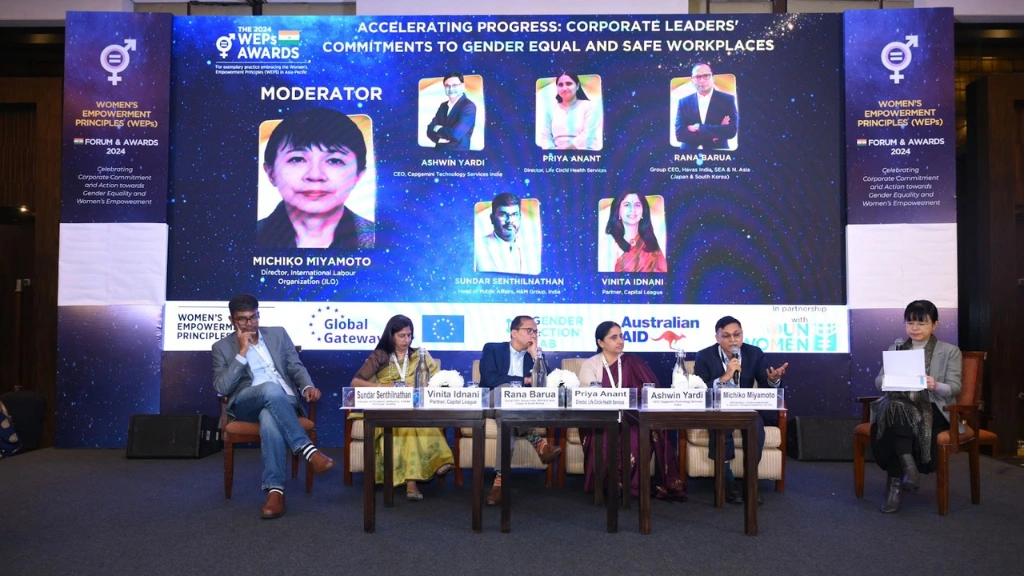
Beyond service delivery, Life Circle advocates for the professionalisation of caregiving, engaging with policymakers, industry leaders, and communities to elevate women’s roles in the care economy. Through public dialogues and partnerships, it fosters awareness of gender inclusion as a pathway to societal resilience.
A Broader Vision for Equality and Care
Life Circle’s endorsement of the WEPs is more than symbolic it reflects an operational philosophy where gender empowerment and social impact are core to business success.
By combining digital innovation, workforce development, and advocacy, Life Circle continues to model how purpose-driven enterprises can transform social challenges into sustainable opportunities.
As part of its continued collaboration with UN Women, Life Circle will participate in joint initiatives to strengthen gender-responsive business practices and accelerate the recognition of caregiving as a critical part of India’s growth story.
About the UN Women’s Empowerment Principles
The UN Womens Empowerment Principles (WEPs) were established in 2010 as a global framework to guide companies in advancing gender equality.
Developed by UN Women and the UN Global Compact, the WEPs outline seven key principles focused on:
- Leadership for gender equality
- Fair treatment at work
- Employee health and safety
- Education and professional development
- Enterprise development and supply chain inclusion
- Community engagement
- Transparency and accountability
To learn more, visit weps.org.