24 Hour Home Care Agency for Elderly Parents


Introduction:
24-Hour Home Care Agency for Elderly Parents
When you first realize your elderly parent needs 24 hour care, the decision can feel overwhelming — who will watch them at night? What if something goes wrong at 3 AM? A reliable 24 hour home care agency takes that weight off your shoulders by providing trained caregivers who are present around the clock, so your parent is never alone and you get uninterrupted peace of mind.
In this guide, we’ll break down what 24-hour home care actually means, how staffing works, what it costs, and how it compares to a 24 hour care facility — so you can make a confident, informed decision for your family.
What Is 24-Hour Home Care?
24-hour home care means a trained caregiver (or a rotating team of caregivers) is physically present in your parent’s home every hour of the day and night. This is different from a few related but distinct options:
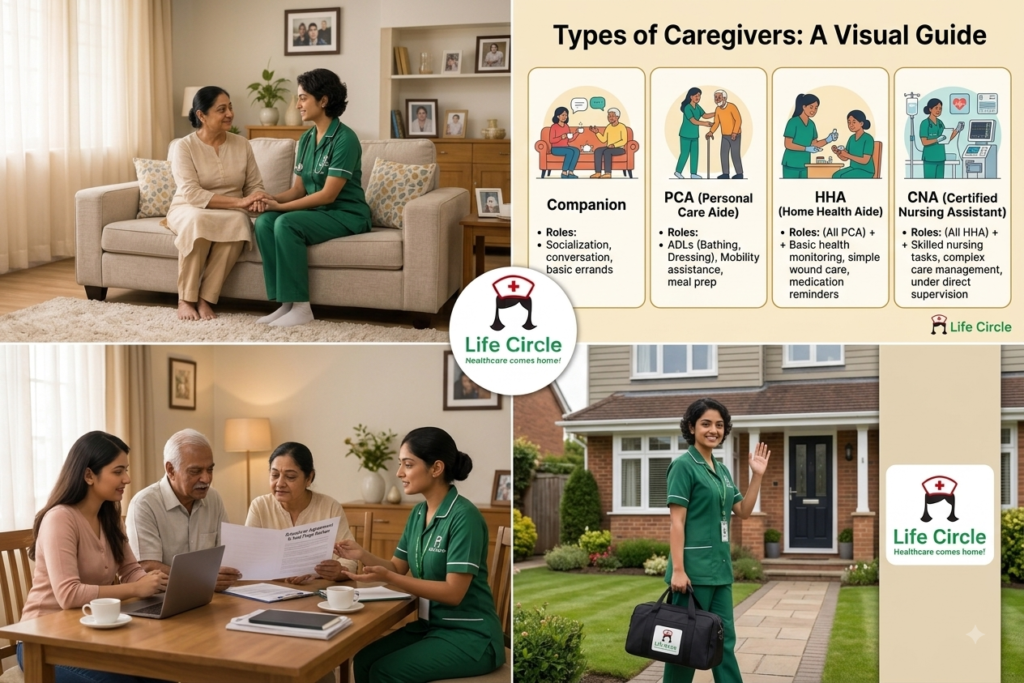
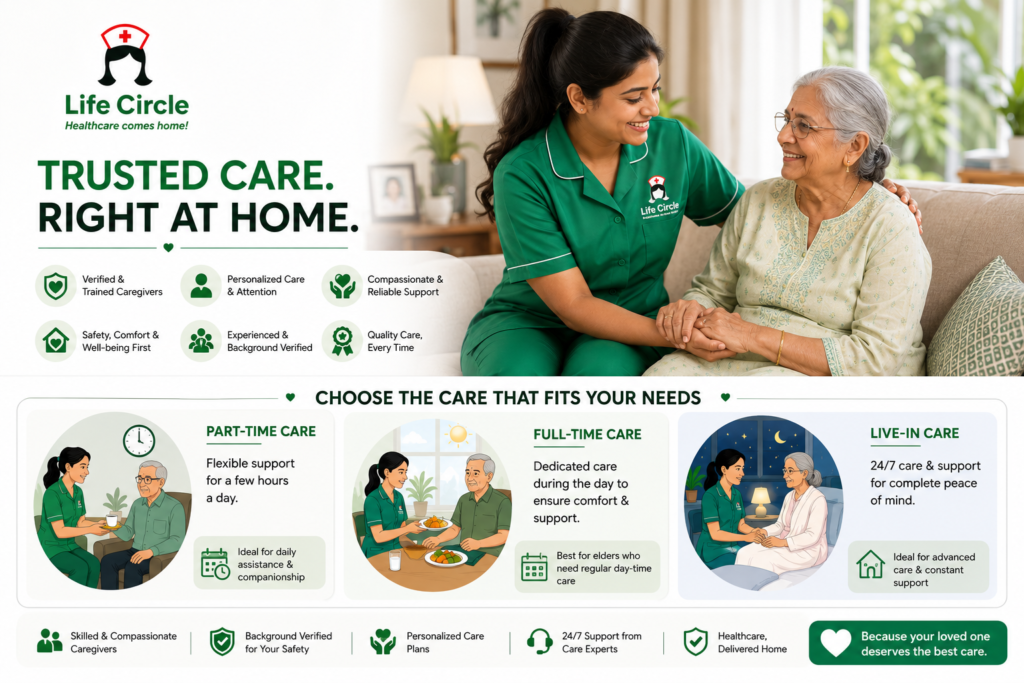
– Live-in care — One caregiver stays in the home but sleeps overnight and is only on call for emergencies rather than actively awake.
– 24 hour care facility (nursing home/assisted living) — Your parent moves into a shared or private room staffed by rotating nurses and aides.
– Part-time or hourly care — A caregiver visits for a few hours a day for specific tasks like bathing or medication reminders.
For families searching for a 24 home care agency, the appeal is simple: your parent stays in the comfort of their own home, surrounded by familiar routines, while still getting continuous supervision and support.

Signs Your Elderly Parent Needs 24-Hour Care
Not every senior needs round-the-clock support immediately. Watch for these signals that indicate it’s time to consider a 24 hour home care agency:
– Frequent falls or unsteady walking, especially at night
– Advanced dementia or Alzheimer’s with wandering risk
– Difficulty managing medications, meals, or hygiene independently
– Recent hospital discharge requiring close monitoring
– Chronic conditions like heart disease, COPD, or advanced Parkinson’s
– A spouse or family caregiver who is exhausted or unavailable at night
If two or more of these apply, round-the-clock care isn’t a luxury — it’s a safety necessity.
How a 24-Hour Home Care Agency Works
Shift-Based Staffing Model
A professional 24 hour home care agency typically doesn’t rely on a single caregiver working 24 hours straight — that leads to fatigue and lower quality of care. Instead, agencies use one of two models:
1. Two 12-hour shifts — a day caregiver and a night caregiver, each covering 12 hours.
2. Three 8-hour shifts — a slightly larger team rotates through morning, afternoon, and overnight shifts.
Either way, the goal is the same: a rested, alert caregiver is always present, and shift handoffs include a briefing so care never has gaps in continuity.
What's Included in Round-the-Clock Care
A comprehensive 24-hour care plan usually covers:
– Assistance with bathing, dressing, and grooming
– Medication reminders and tracking
– Mobility support and fall prevention
– Meal preparation and feeding assistance
– Overnight supervision for wandering, restlessness, or bathroom trips
– Companionship and cognitive engagement during waking hours
– Emergency response and coordination with family or doctors
Some agencies also layer in periodic nurse visits for wound care, injections, or vital monitoring — especially useful for patients recovering from surgery or managing chronic illness.
Choosing between in-home care and a facility is one of the biggest decisions families face. Here’s how they typically compare:
| Factor | 24-Hour Home Care | 24 Hour Care Facility |
| Environment | Familiar home setting | New, shared or institutional setting |
| Caregiver ratio | Usually one-on-one | Often one staff member to multiple residents |
| Personalization | Fully customized to routine | Standardized schedules |
| Family involvement | Easy, anytime access | Limited by visiting hours |
| Cost structure | Pay for the shifts/hours needed | Often bundled facility fees |
For seniors who are otherwise stable but need supervision, a home care agency generally offers more personal attention. A facility may make sense when a patient needs specialized medical equipment or intensive nursing available on-site continuously.
Cost of 24-Hour Home Care in India
Cost depends on your city, the caregiver’s skill level (attendant vs. trained nurse), and whether you need multiple caregivers to cover shifts. As a general reference point, structured senior home care plans in India often fall in the ₹25,000–₹45,000 per month range, with full 24-hour coverage typically landing at the higher end because it requires more than one staff member rotating shifts.
Before signing on, ask any 24 hour home care agency for a written breakdown of:
– Number of caregivers assigned per day
– Shift timing and handoff process
– What’s included (personal care, nursing, companionship) vs. add-on services
– Backup caregiver policy if your assigned caregiver is unavailable
For a more detailed cost breakdown by city and care type, see our [senior home care cost guide]
How to Choose the Right 24 Hour Home Care Agency
Not all agencies are equal. Before committing to a 24 home care agency, verify:
1. Background-verified caregivers — reference and identity checks, not just a resume.
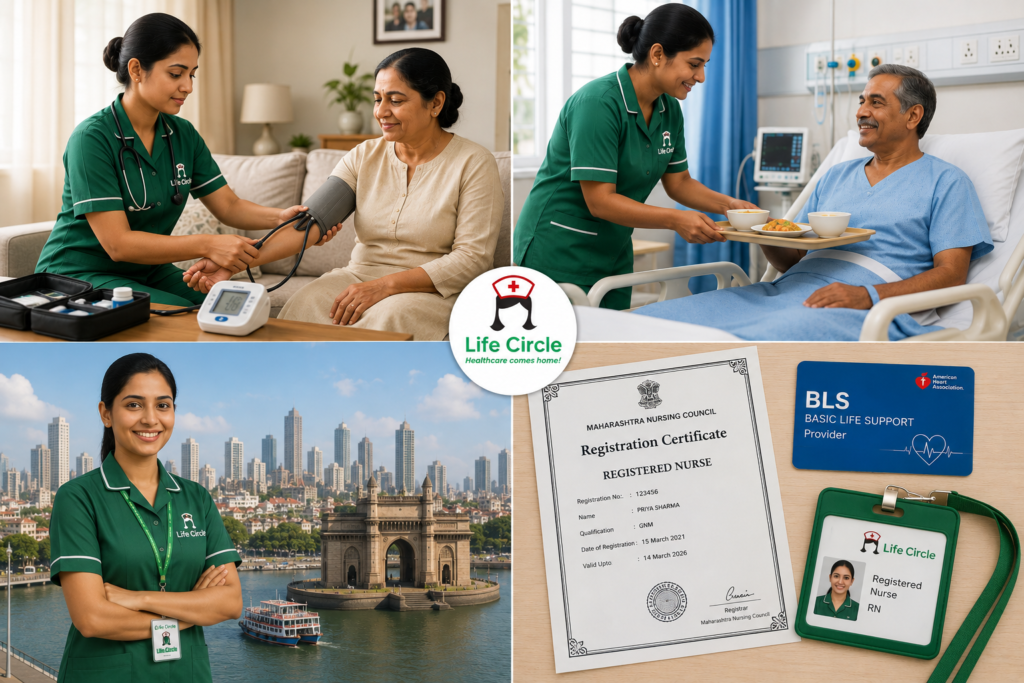
2. Trained staff — certified in basic caregiving, first aid, and ideally dementia or post-surgical care if relevant.
3. Backup coverage — what happens if your caregiver falls sick or takes leave?
4. Transparent communication — daily updates, a family app, or a dedicated care coordinator.
5. Clear contracts — no hidden charges for night shifts, holidays, or emergency visits.
6. Medical escalation plan — a defined process for handling falls, sudden illness, or hospital transfers.
A trustworthy agency will walk you through their caregiver-matching process and offer a trial period before you commit long-term. You can also compare how [full-time caregiver arrangements work for parents in India] if you’re still deciding between part-time and full-time support.
Conclusion
Realizing your elderly parent needs 24 hour care is rarely an easy moment — but it doesn’t have to be a frightening one. A dependable 24 hour home care agency gives your family structured shifts, trained caregivers, and round-the-clock supervision, so your parent stays safe and comfortable at home instead of an unfamiliar facility.
If you’re ready to explore a 24-hour care plan tailored to your parent’s needs, [get in touch with Life Circle] for a free care assessment and transparent quote today.
Frequently Asked Questions
How many hours is 24-hour care?
24-hour care means a caregiver is present in the home for all 24 hours of the day, typically covered through two 12-hour shifts or three 8-hour shifts rather than one person working continuously. This structure keeps the caregiver alert and ensures the senior is never left unsupervised, day or night.
How much does 24/7 home care cost in India?
Costs vary by city, caregiver qualification, and whether nursing support is included, but families typically budget toward the higher end of standard home care ranges since 24/7 coverage requires multiple caregivers rotating shifts. Ask agencies for a detailed monthly quote based on your parent’s specific needs.
What happens when someone needs 24-hour care?
When a senior needs 24-hour care, families typically choose between hiring a home care agency to provide round-the-clock caregivers at home or moving the person into a 24 hour care facility such as a nursing home. The right choice depends on the person’s medical needs, mobility, cognitive status, and the family’s preference for keeping them at home.
Who qualifies for overnight care?
Seniors who wander at night, face high fall risk, need frequent bathroom assistance, or have conditions like dementia, incontinence, or post-surgical recovery needs typically qualify for overnight care. A caregiver assessment can help determine whether overnight supervision alone is enough or if full 24-hour coverage is needed.
How much is 24 hour care?
The cost of 24-hour care depends on location, the number of caregivers required to cover shifts, and whether skilled nursing is needed alongside personal care. It’s generally priced higher than part-time or hourly care because it involves continuous staffing rather than a few hours a day.