Controlling Sugar Levels: A Complete Diabetes Care Plan for Seniors
Controlling sugar levels is one of the most critical aspects of managing health in old age. According to the Indian Council of Medical Research (ICMR), the prevalence of diabetes in India reached approximately 11.7% in 2023, and projections indicate a further rise in the coming years. Diabetes is among the most common chronic conditions affecting elderly people, and effective management is essential to overall health and well-being. A structured diabetes care plan — including diet, exercise, medication, and lifestyle changes — can help seniors control sugar levels, prevent complications, and lead a more active, fulfilling life.
Why Controlling Sugar Levels Matters for Elderly People
For seniors diagnosed with diabetes, controlling sugar levels is not just a recommendation — it is a necessity. Unmanaged blood sugar can lead to severe complications, including:
- Heart disease
- Kidney disorders
- Nerve damage (neuropathy)
- Vision problems
- Slow wound healing
Maintaining balanced glucose levels through a well-designed diabetes care plan significantly reduces these risks and improves overall quality of life. The primary goal is to keep blood sugar within a healthy, normal range — avoiding both dangerous spikes and sudden drops.
Key Guidelines for Controlling Sugar Levels in the Elderly
A comprehensive approach to diabetes management involves multiple lifestyle strategies working together. Here are the most effective guidelines for seniors:
1. Monitor Blood Sugar Regularly
Frequent blood sugar testing is a cornerstone of effective diabetes management. Regular monitoring helps seniors:
- Understand how food, exercise, and medications affect glucose levels
- Detect early signs of abnormal sugar levels
- Make timely adjustments to their care plan in consultation with a healthcare provider
Setting specific times for testing — such as before meals and before bedtime — creates a reliable pattern for tracking blood sugar trends.
2. Follow a Diabetes-Friendly Diet
A well-planned diet is one of the most powerful tools for controlling sugar levels. Meals should be rich in fiber, low in refined sugar and unhealthy fats, and balanced with lean protein. Here are practical, India-specific dietary tips:
- Focus on Fiber: Include fiber-rich foods like dal (lentils), sabzi (vegetable dishes), ragi roti (finger millet flatbread), and oats upma. These foods slow down sugar absorption and prevent sudden spikes.
- Make Smart Swaps: Replace white rice with brown rice or quinoa for better blood sugar control.
- Limit Processed Foods and Sugary Drinks: Reduce consumption of mithai (sweets), namkeen (savory snacks), and sugary beverages like packaged juices and sweetened lassi.
- Choose Smart Snacks: Opt for nuts, sprouts chaat, or dahi (yogurt) with fruit instead of fried snacks like samosas and pakoras.
- Practice Portion Control: Be mindful of carbohydrate portion sizes at every meal to prevent post-meal sugar spikes.
Important: Always consult with your doctor or a registered dietitian before making significant dietary changes, especially if you are on diabetes medications.
- Stay Active with Regular Exercise
Physical activity plays a vital role in controlling sugar levels by improving insulin sensitivity and supporting healthy body weight. Seniors can benefit from a variety of low-impact exercises, including:
Walking: Even a 30-minute daily walk can make a significant difference.
Swimming: A joint-friendly option for seniors with mobility concerns.
Yoga: Asanas like Surya Namaskar and Pranayama improve flexibility, reduce stress, and help regulate blood sugar levels.
Chair-Based Exercises: For seniors with limited mobility, chair-based workouts are an excellent way to stay active without strain.
Consult a qualified fitness instructor or physiotherapist for a personalized exercise routine suited to your health condition.
- Use Home Remedies to Support Sugar Control
Certain natural remedies used in traditional Indian households may offer additional support for controlling sugar levels. These should complement — not replace — medical treatment:
Cinnamon (Dalchini): Some studies suggest cinnamon may improve insulin sensitivity. Add it to oatmeal, yogurt, or herbal tea.
Fenugreek (Methi): Fenugreek seeds are rich in soluble fiber, which may slow sugar absorption. Soak seeds overnight and consume them in the morning on an empty stomach.
Bitter Gourd (Karela): Karela juice is a well-known traditional remedy for diabetes management. However, consult your doctor before use, as it may interact with certain medications.
Note: Always speak with your healthcare provider before incorporating home remedies into your routine.
5. Adhere to Prescribed Medications
Medication adherence is a critical part of any diabetes care plan for seniors. Missing doses or self-adjusting medication can lead to dangerous fluctuations in blood sugar. Key practices include:
- Taking medications at the same time every day as prescribed
- Keeping a medication log or using pill organizers
- Consulting a doctor before making any changes to dosage or type of medication
- Manage Stress Effectively
Stress has a direct impact on blood sugar levels by triggering the release of stress hormones that raise glucose. Seniors can manage stress through:
Meditation and Deep Breathing: Mindfulness and pranayama exercises promote relaxation and help lower cortisol levels.
Hobbies and Social Activities: Engaging in enjoyable activities and staying connected with friends and family boosts mood and reduces emotional stress.
- Stay Well Hydrated
Adequate hydration supports proper blood circulation and helps the kidneys flush out excess sugar. Seniors should aim for at least 8 glasses of water per day. Healthy Indian hydration options include:
Nimbu Pani (lemon water): Refreshing and low in sugar
Low-fat Chaas (buttermilk): A gut-friendly, hydrating choice
Avoid sugary drinks and opt for these natural, diabetes-friendly alternatives.
A Personalized Diabetes Care Plan for Seniors: The Life Circle Approach
At Life Circle, we understand that controlling sugar levels in seniors requires more than generic advice — it demands a personalized, holistic approach. Our diabetes care plans are tailored to each senior’s unique health conditions, lifestyle, and medical needs.
Working closely with healthcare providers, our team helps seniors develop care plans that include:
- Nutrition Planning: Designing balanced, diabetes-friendly meal plans that prevent blood sugar spikes and crashes.
- Exercise Routine: Recommending safe, effective physical activities suited to the senior’s mobility and fitness level.
- Medication Management: Tracking prescribed medications and ensuring timely adherence.
- Emotional and Social Support: Addressing the mental and emotional challenges of living with diabetes, ensuring seniors feel supported and motivated.
Caregiver Services by Life Circle: Professional Support for Diabetes Management
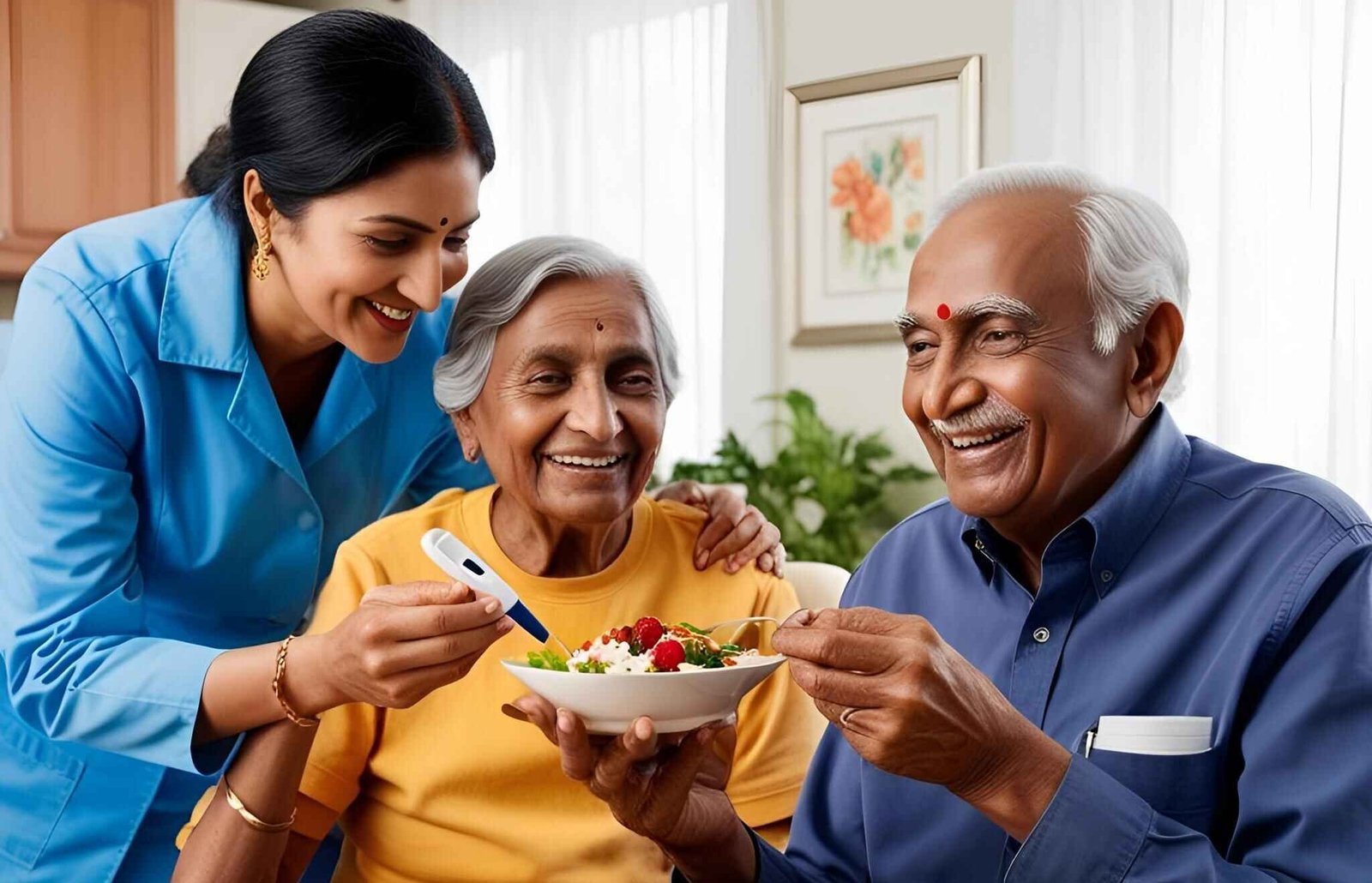
Managing diabetes as a senior can be overwhelming — but you don’t have to do it alone. Life Circle offers compassionate and trained caregiver (CG) services specifically designed to support seniors in managing their diabetes care plans.
Our caregivers are available 24 hours a day, with options for short-term and long-term engagement. They assist with:
Meal Preparation: Ensuring seniors receive nutritious, diabetes-friendly meals every day.
Medication Reminders: Helping seniors stay consistent with their prescribed medications.
Exercise Support: Encouraging and assisting with daily physical activity.
Companionship and Emotional Support: Providing a friendly, caring presence to reduce stress and loneliness.
Our caregiver services are available across multiple cities, including Hyderabad, Bangalore, Chennai, Delhi NCR, Chandigarh, and Pune. We work closely with families to create customized care plans that meet each senior’s individual needs.
Take the First Step Toward Better Diabetes Management
Controlling sugar levels is entirely achievable for seniors with the right knowledge, habits, and support system in place. By following structured diabetes management guidelines — including a healthy diet, regular exercise, consistent medication, stress management, and adequate hydration — seniors can take meaningful control of their health and enjoy a better quality of life.
Remember, every senior’s journey with diabetes is unique. Always consult your doctor or a registered dietitian for personalized guidance before making major changes to your diet, exercise routine, or medication.
Looking for professional senior caregiving services in India? Contact Life Circle today for expert care and personalized support tailored to your loved one’s needs.