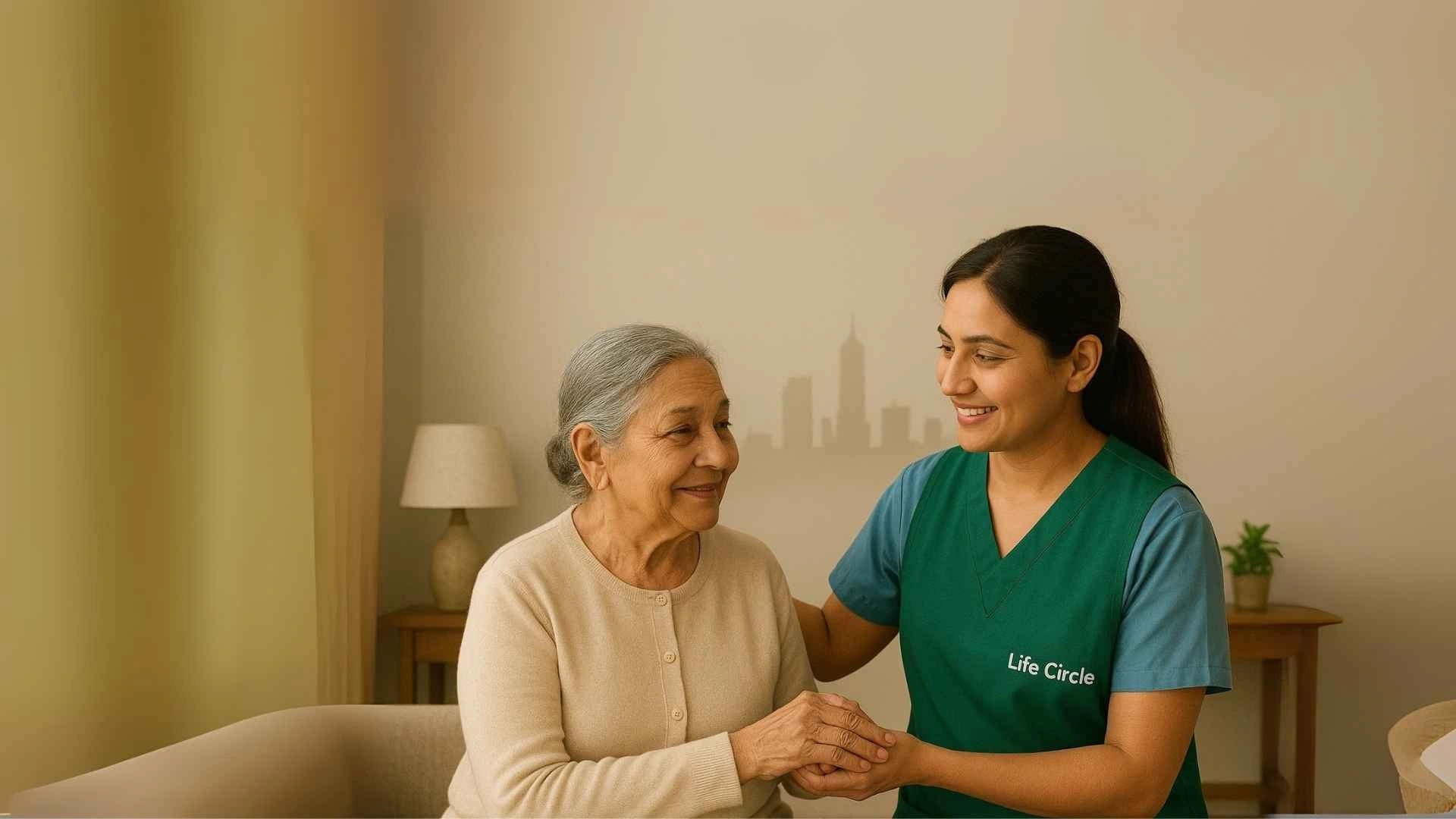
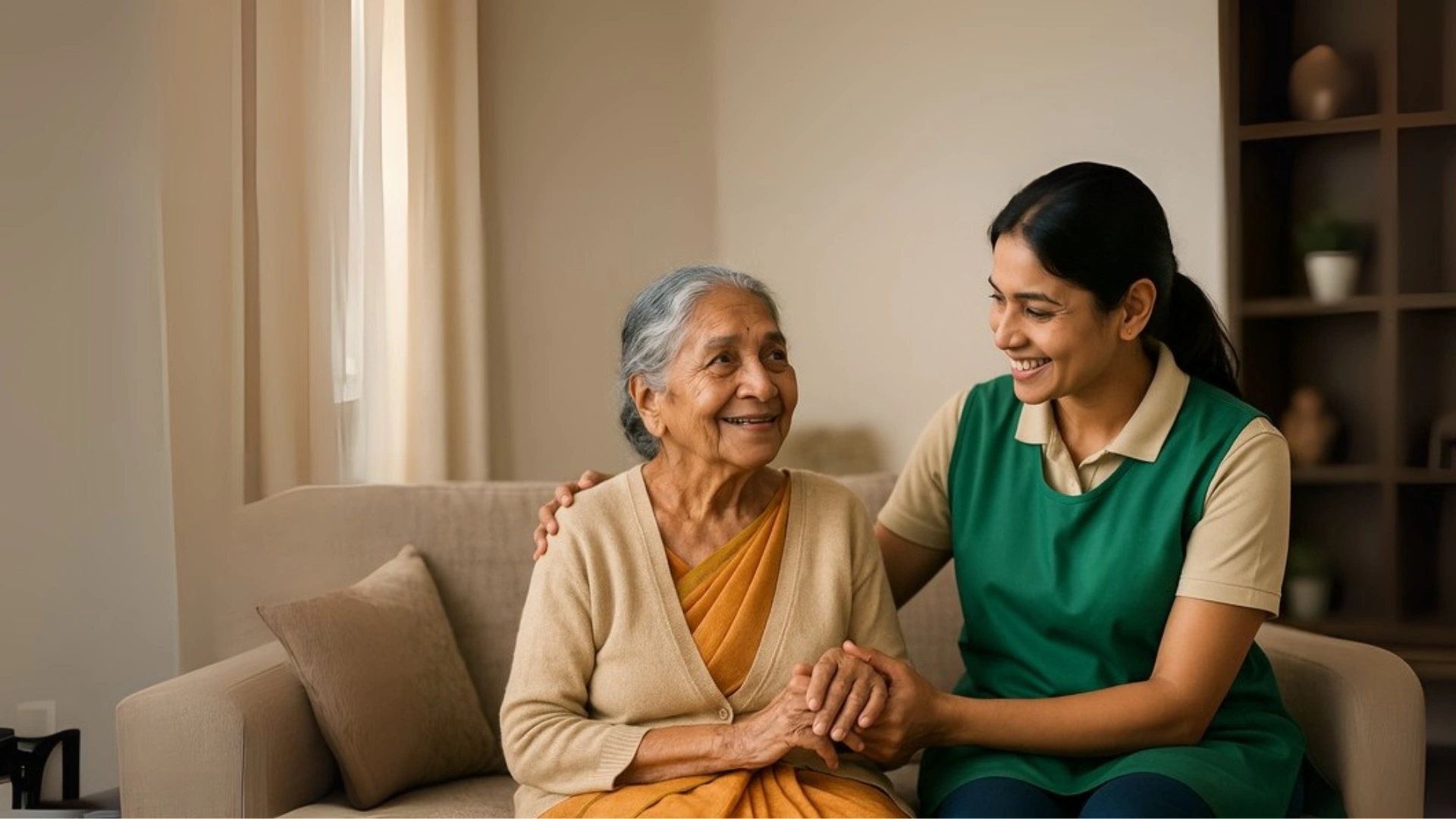
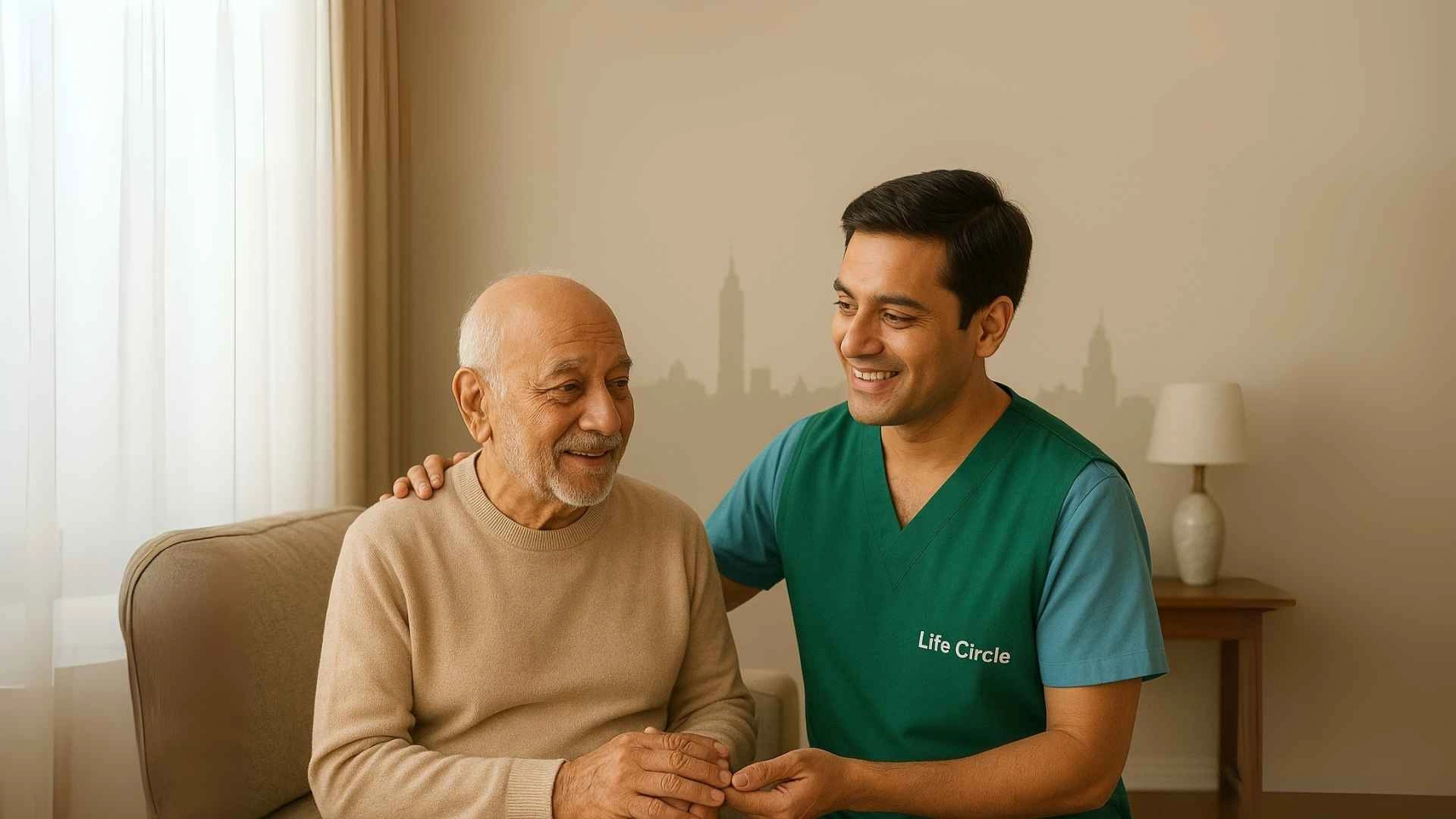
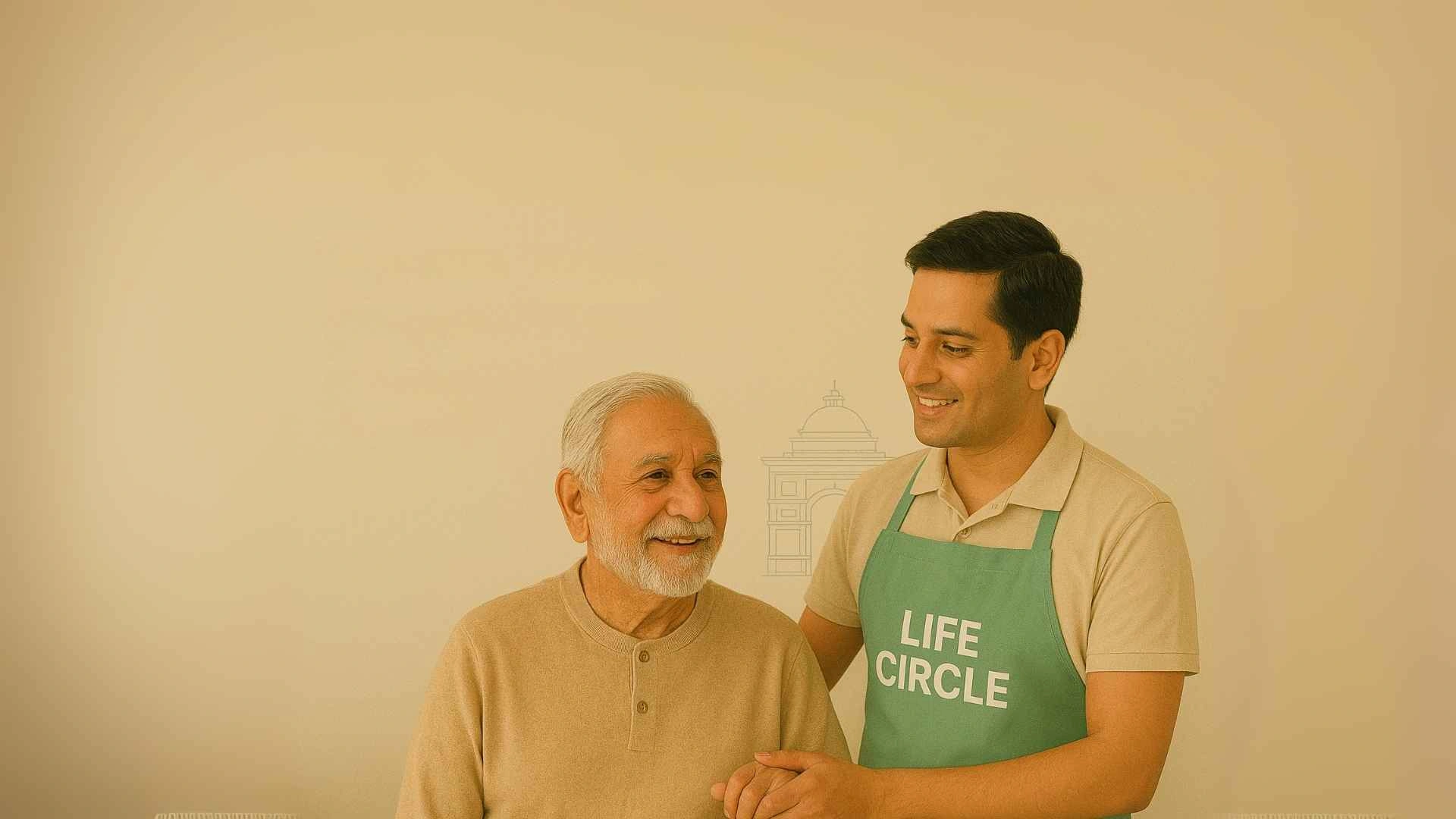
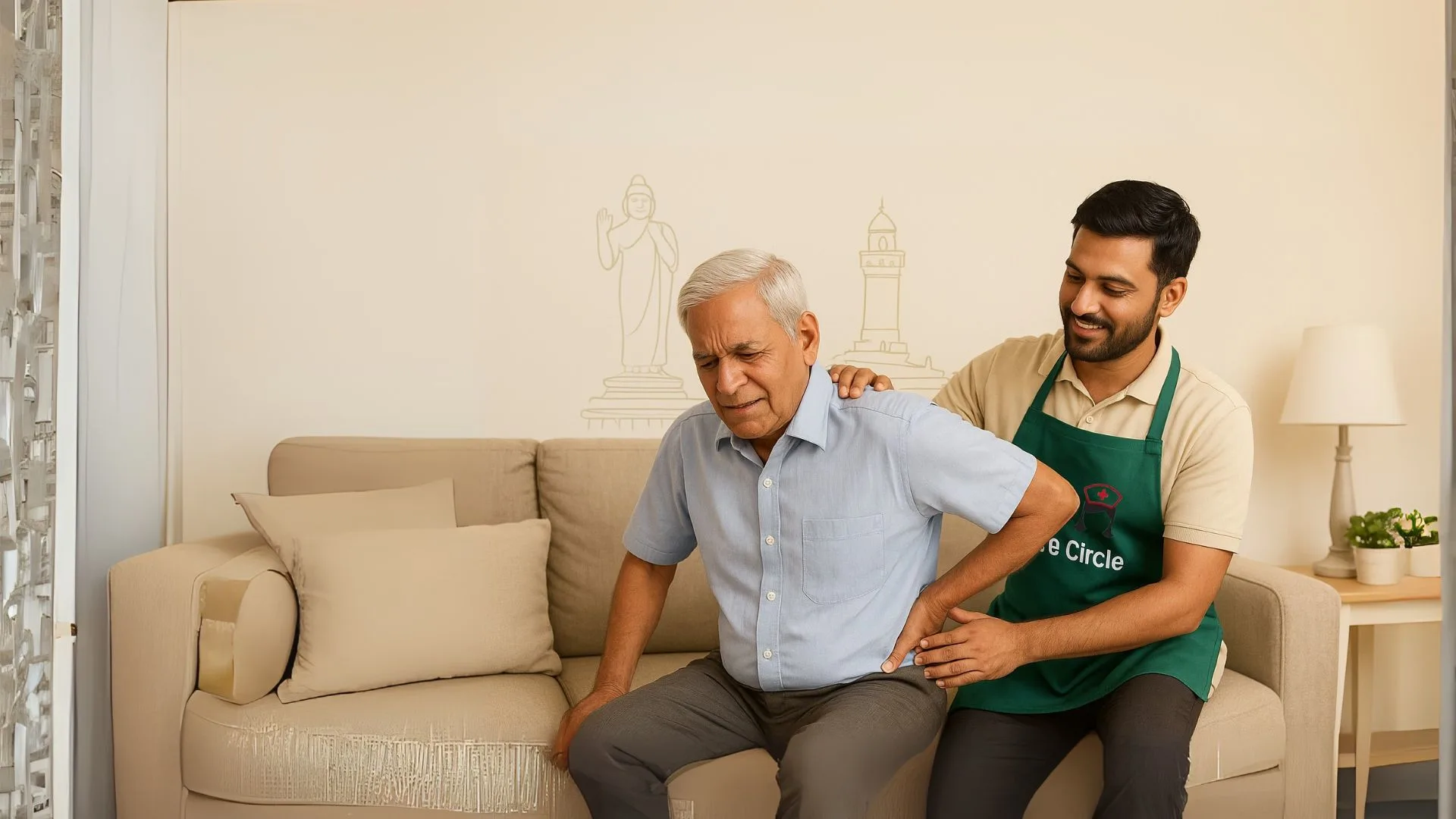
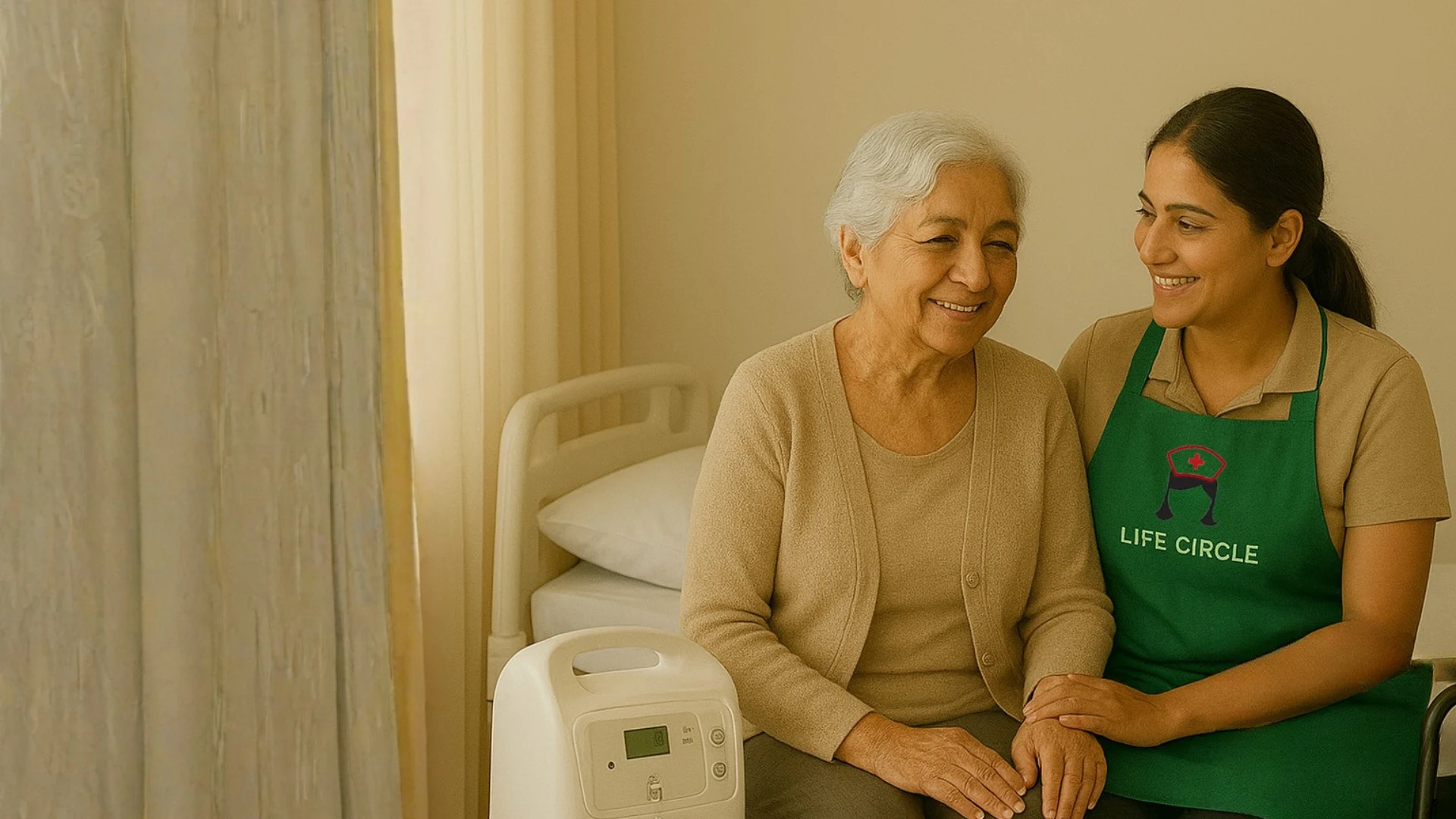
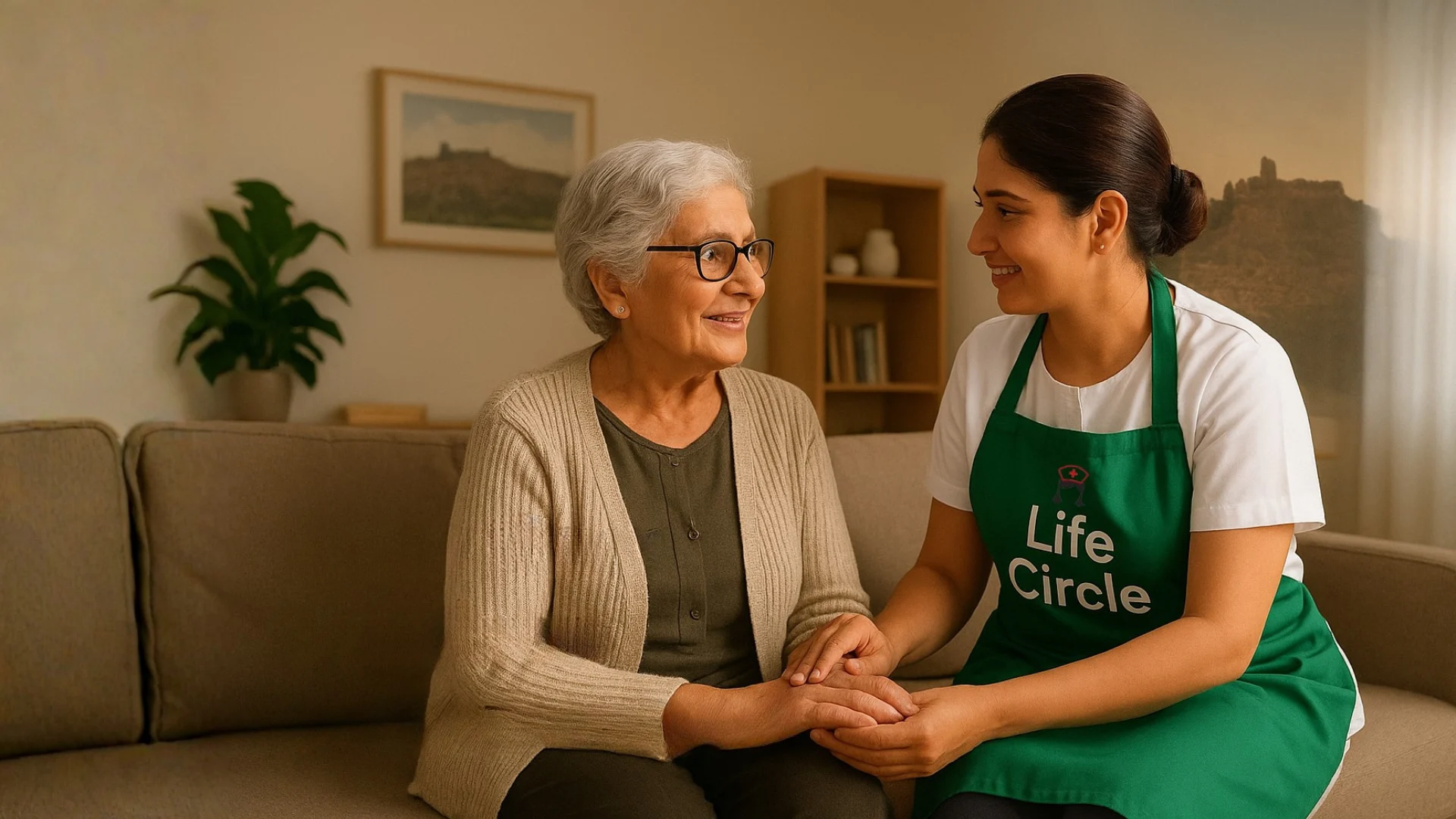
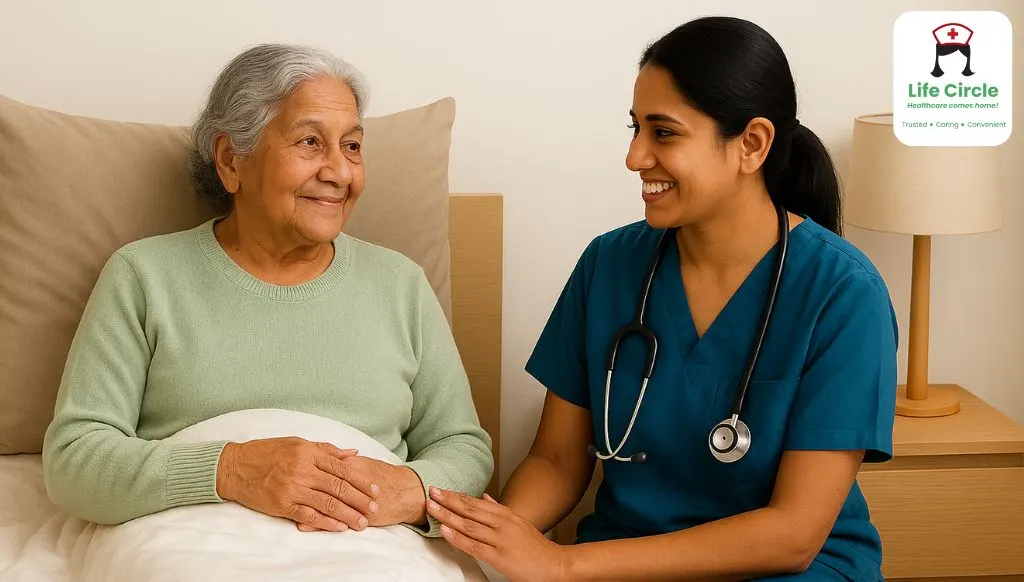
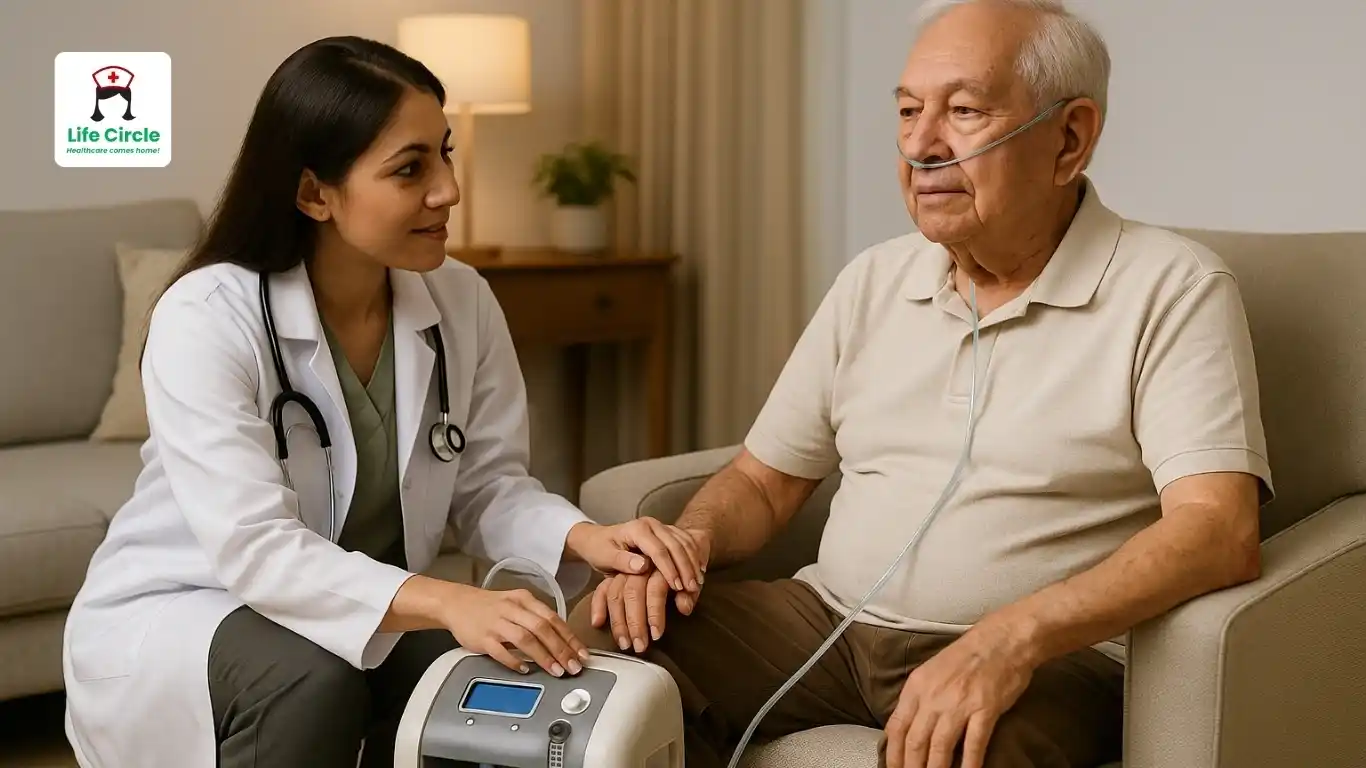
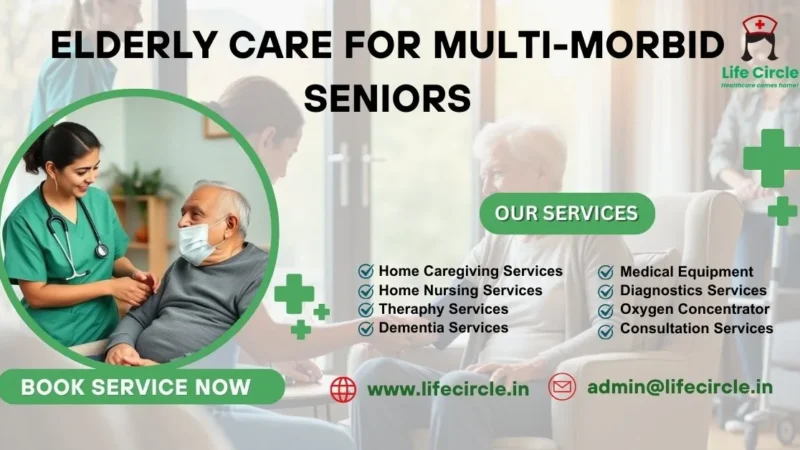
Elderly Care for Multi-Morbid seniors
Expert care for seniors managing multiple health conditions with compassion and precision

Elderly Care for Multi-Morbid Seniors

  • Post author:

Elderly Care for Multi-Morbid Seniors: Comprehensive Guide to Better Health at Home

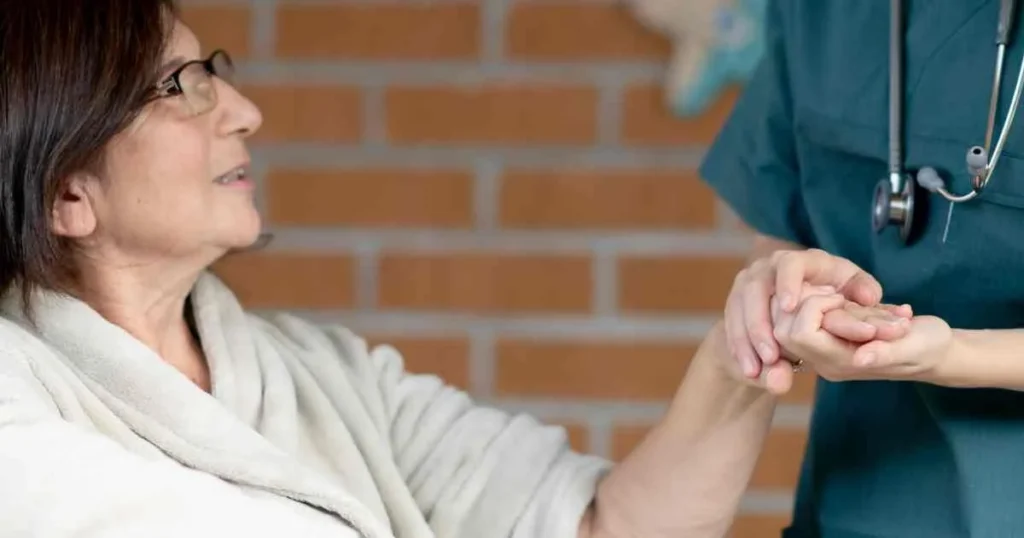
As the global population continues to age, Elderly Care for Multi-Morbid Seniors has emerged as one of the most critical concerns for families, healthcare professionals, and caregivers alike. More seniors than ever before are living with two or more chronic conditions simultaneously — a reality that demands a specialized, compassionate, and well-coordinated approach to care.

Multi-morbid seniors face unique health challenges that go far beyond what traditional elderly care can address. The coexistence of multiple conditions — such as diabetes, hypertension, arthritis, heart disease, and cognitive decline — creates a complex web of medical, emotional, and daily living needs. Managing these overlapping conditions requires not only professional medical expertise but also deeply personalized attention and empathy.

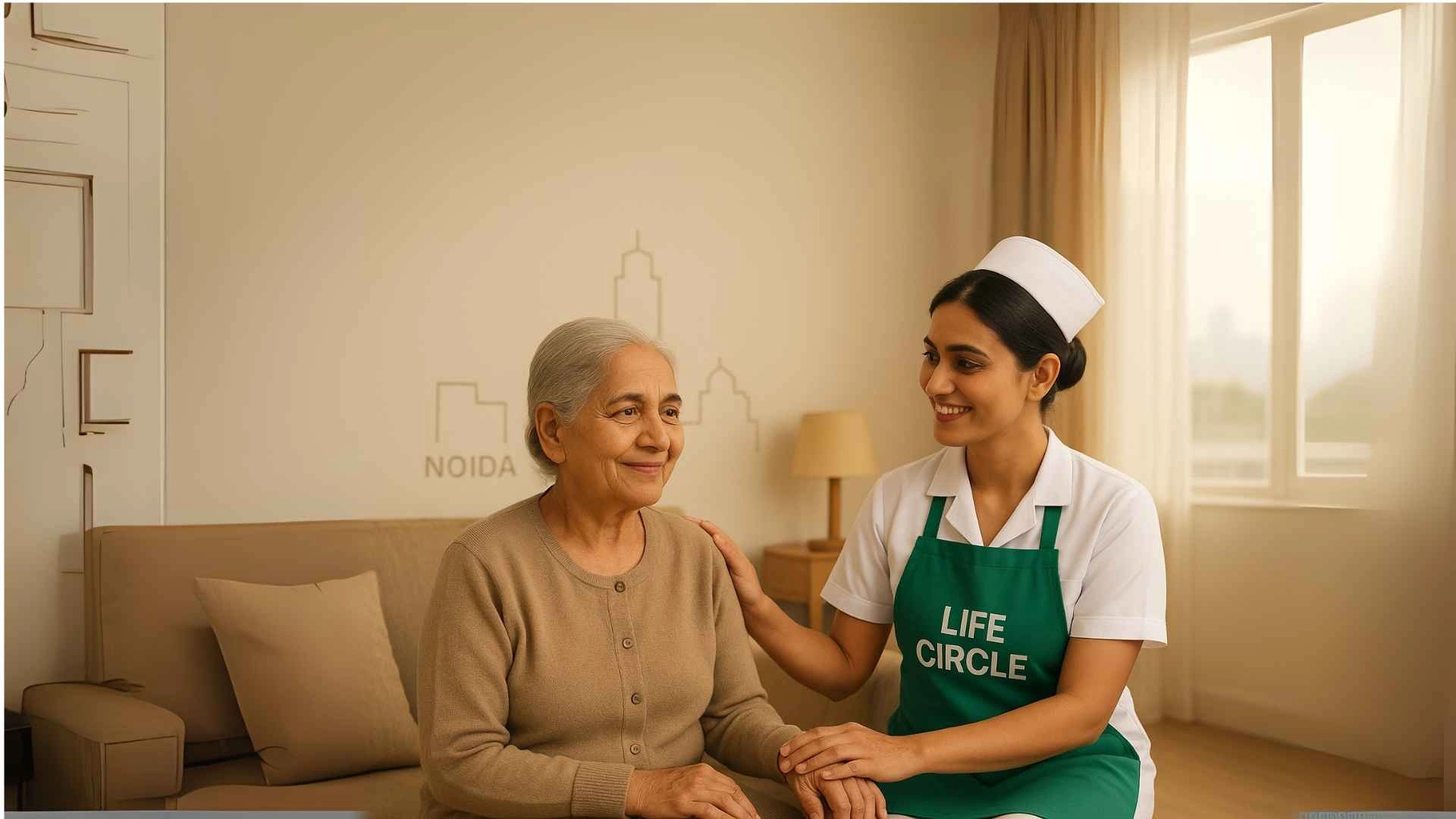
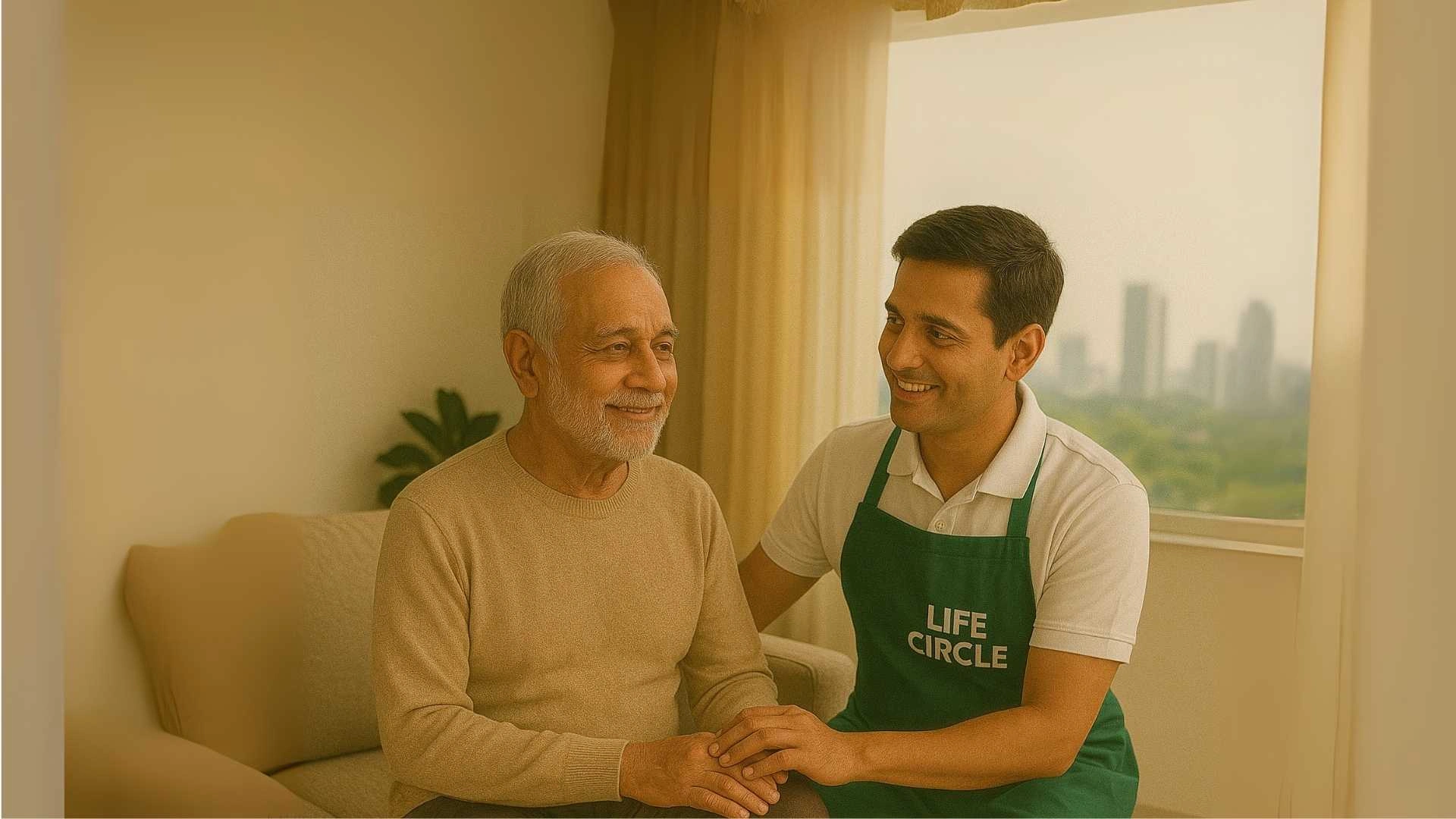
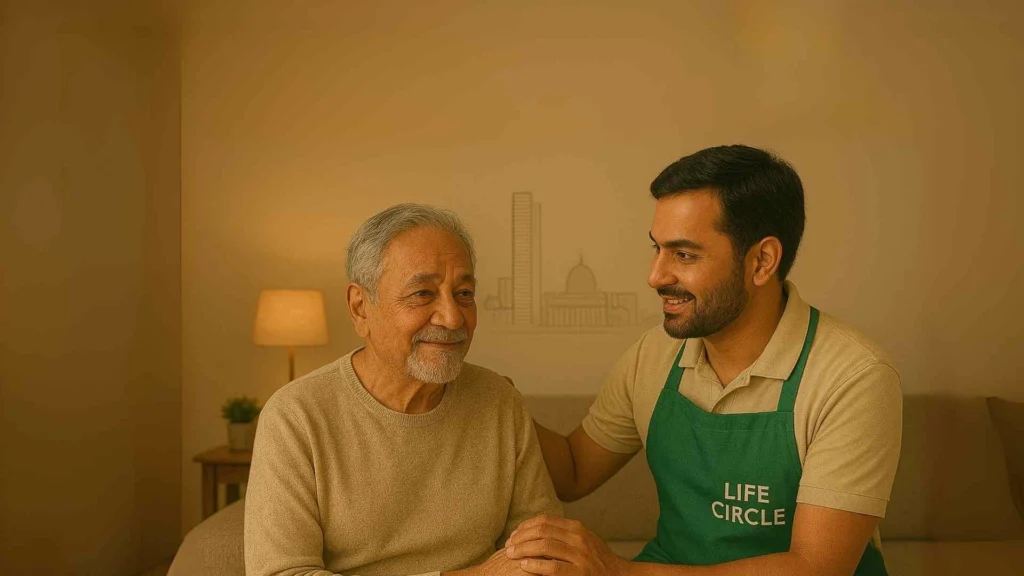
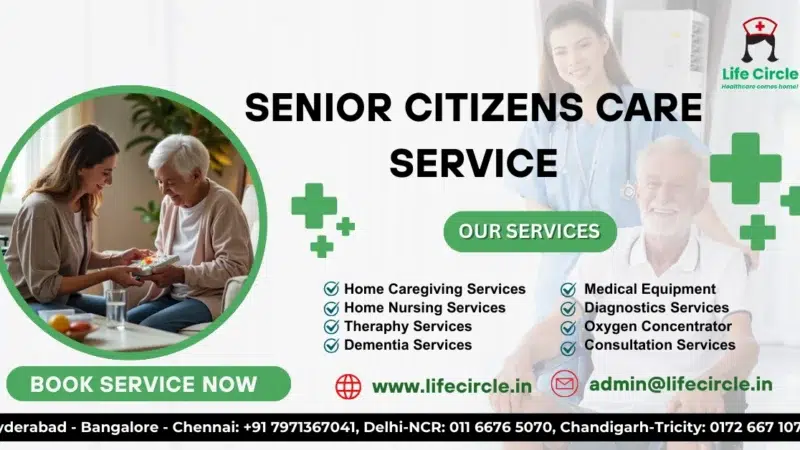
At Life Circle, we understand the nuances of caring for seniors with multiple chronic illnesses. Our goal is to provide integrated, dignified, and high-quality Home Care Services that empower seniors to live safely and meaningfully within the comfort of their own homes. In this guide, we explore the key aspects of elderly care for multi-morbid seniors — from understanding what multimorbidity means to practical strategies for improving quality of life.

What Does It Mean to Be a Multi-Morbid Senior?

A multi-morbid senior is an individual aged 60 years or older who is living with two or more chronic medical conditions at the same time. Common combinations include heart disease alongside dementia, diabetes paired with arthritis, or hypertension coexisting with vision loss and mobility limitations.

In the context of Elderly Care for Multi-Morbid Seniors, this dual or multiple burden significantly complicates daily routines, medication schedules, and overall health management. Each condition may interact with others, making treatment decisions more complex and requiring constant coordination between multiple healthcare providers.

Recognizing and understanding multimorbidity is the first step toward developing a care plan that truly addresses the senior’s evolving needs — rather than treating each condition in isolation.

Multimorbidity is increasingly prevalent in India. Studies indicate that a large proportion of elderly Indians suffer from at least two chronic illnesses simultaneously. The most commonly observed conditions among Indian seniors include:

  • Hypertension
  • Diabetes
  • Arthritis and joint pain
  • Constipation and digestive issues
  • Hearing and vision loss

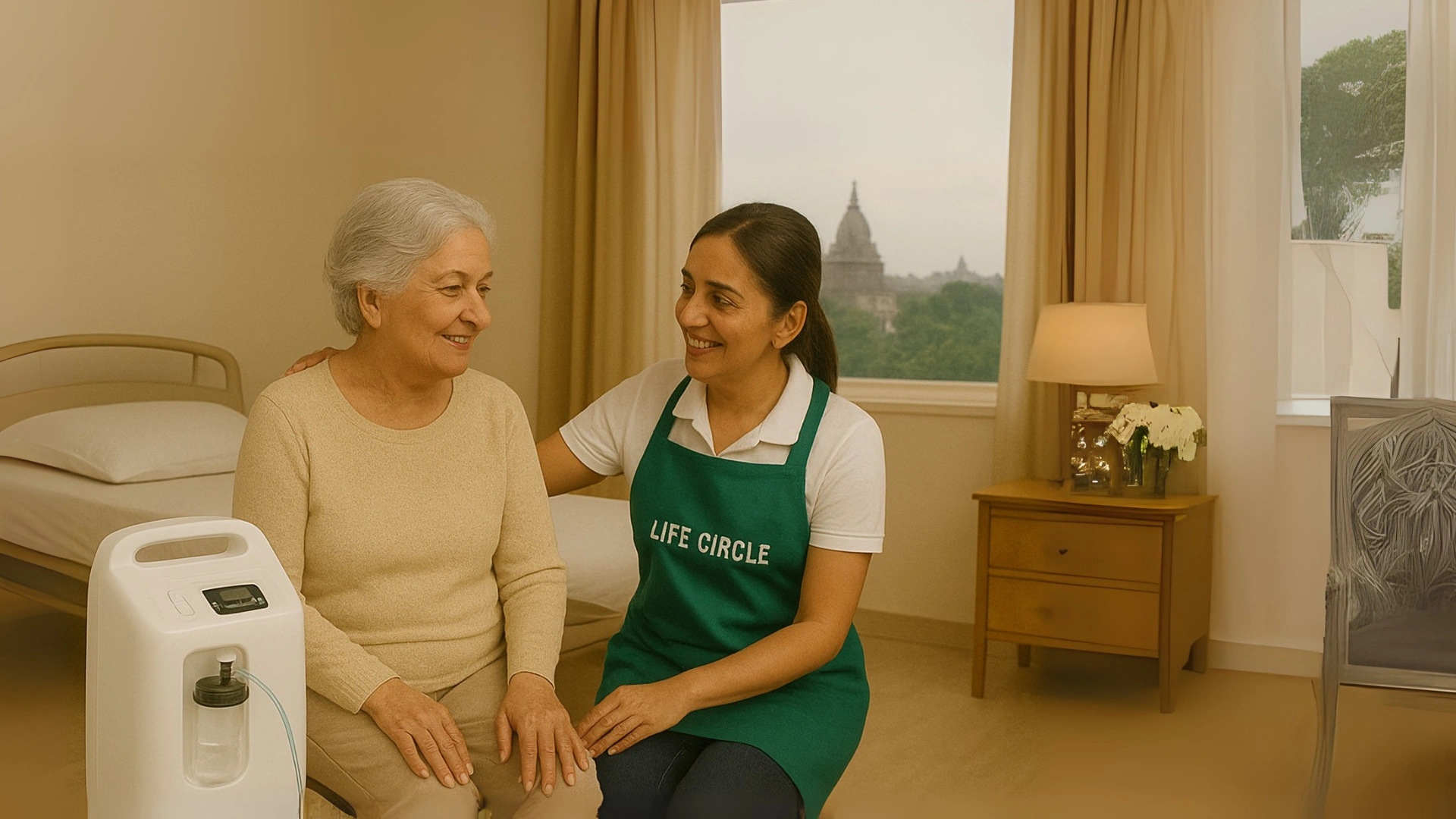
– Breathlessness and respiratory conditions

  • Limited mobility and balance disorders
  • Cognitive decline and dementia

The impact of multimorbidity is not just physical — it also significantly affects the psychological and emotional well-being of seniors. Feelings of dependency, frustration, and loneliness are common, making compassionate emotional support an essential part of comprehensive elderly care.

Key Elements of Elderly Care for Multi-Morbid Seniors

Providing effective Healthcare Services for seniors with multiple chronic conditions requires a structured, multi-dimensional approach. Below are the core pillars of high-quality elderly care for multi-morbid seniors.

  1. Regular Monitoring and Tracking of Vital Signs

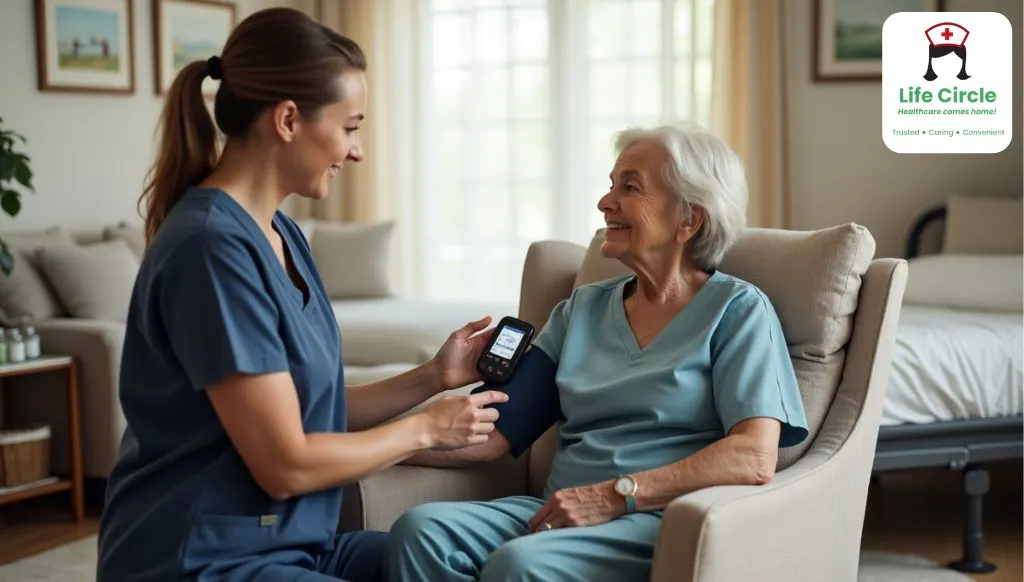
For seniors managing multiple conditions, consistent monitoring of vital parameters is non-negotiable. Key metrics to track include blood pressure, blood sugar levels, oxygen saturation, heart rate, and body temperature.

Given the high prevalence of diabetes and hypertension among Indian seniors, it is essential to work closely with the treating physician to establish acceptable ranges for each vital parameter. These thresholds can vary significantly based on the individual’s overall health profile and medical history.

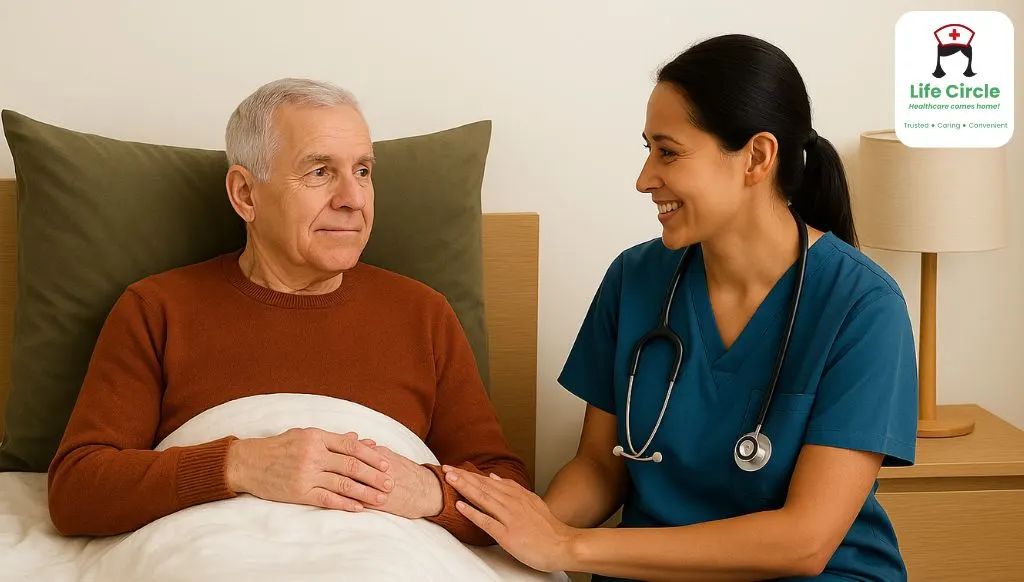
Caregivers must be well-trained to identify warning signs — specific readings that require immediate medical attention. Prompt action during a health deviation can prevent serious complications and hospitalizations. Regular documentation of vitals also helps doctors make more informed treatment decisions during consultations.

  1. Structured Exercise and Physical Activity

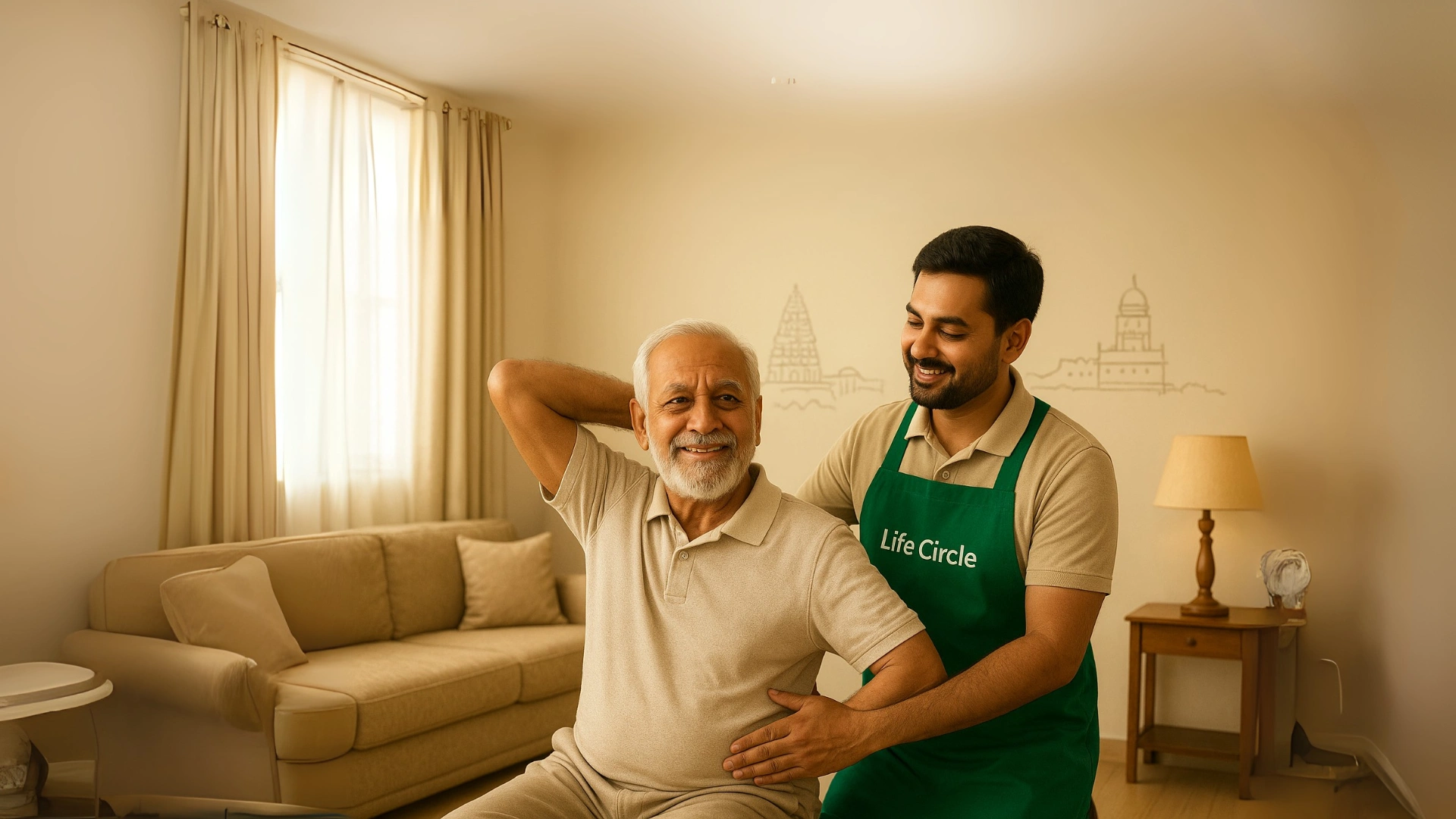
Physical activity plays a vital role in managing multiple chronic conditions. Exercise helps control blood sugar and blood pressure, reduces joint stiffness, improves cardiovascular health, and boosts overall mood and mental well-being.

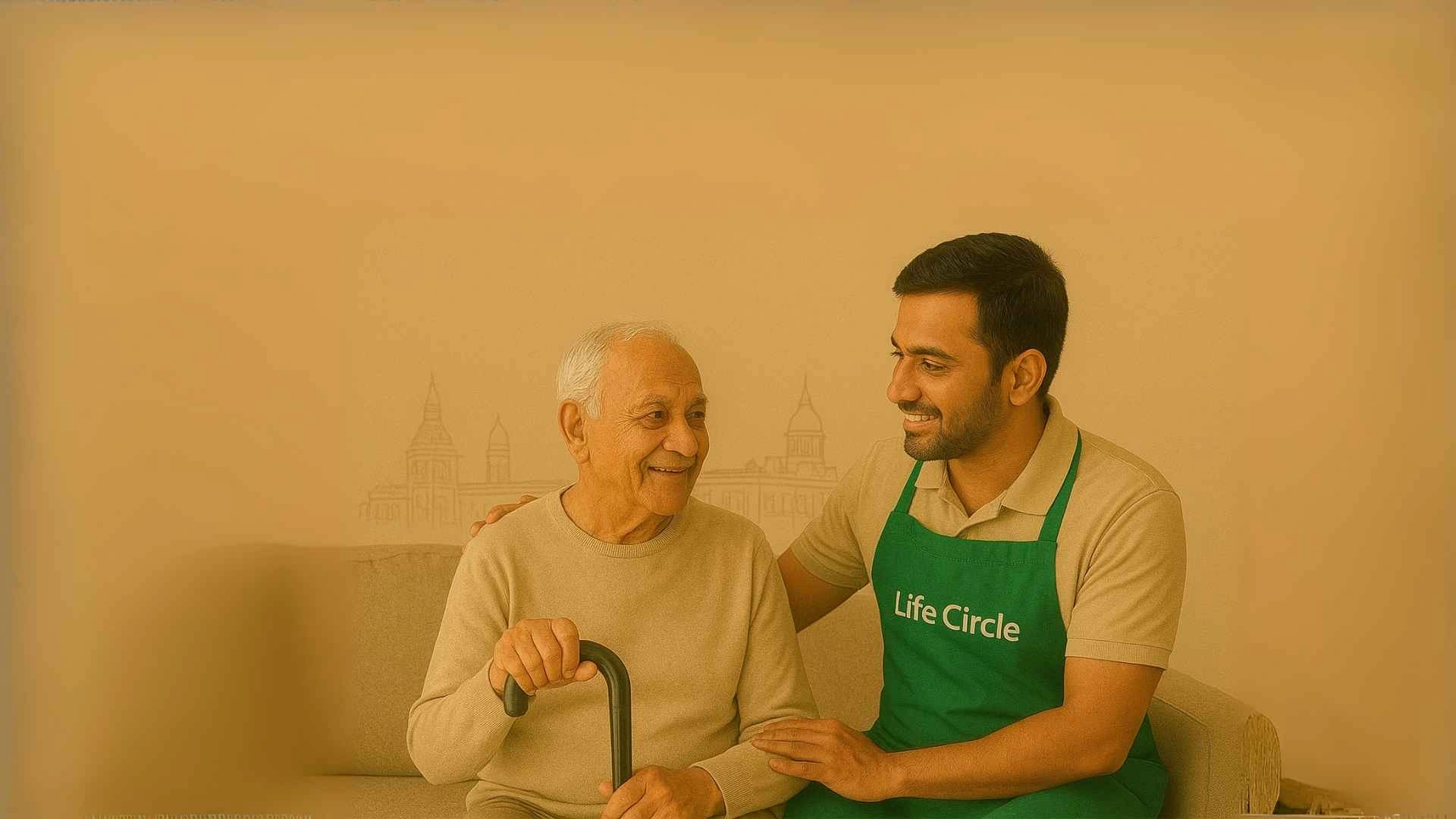
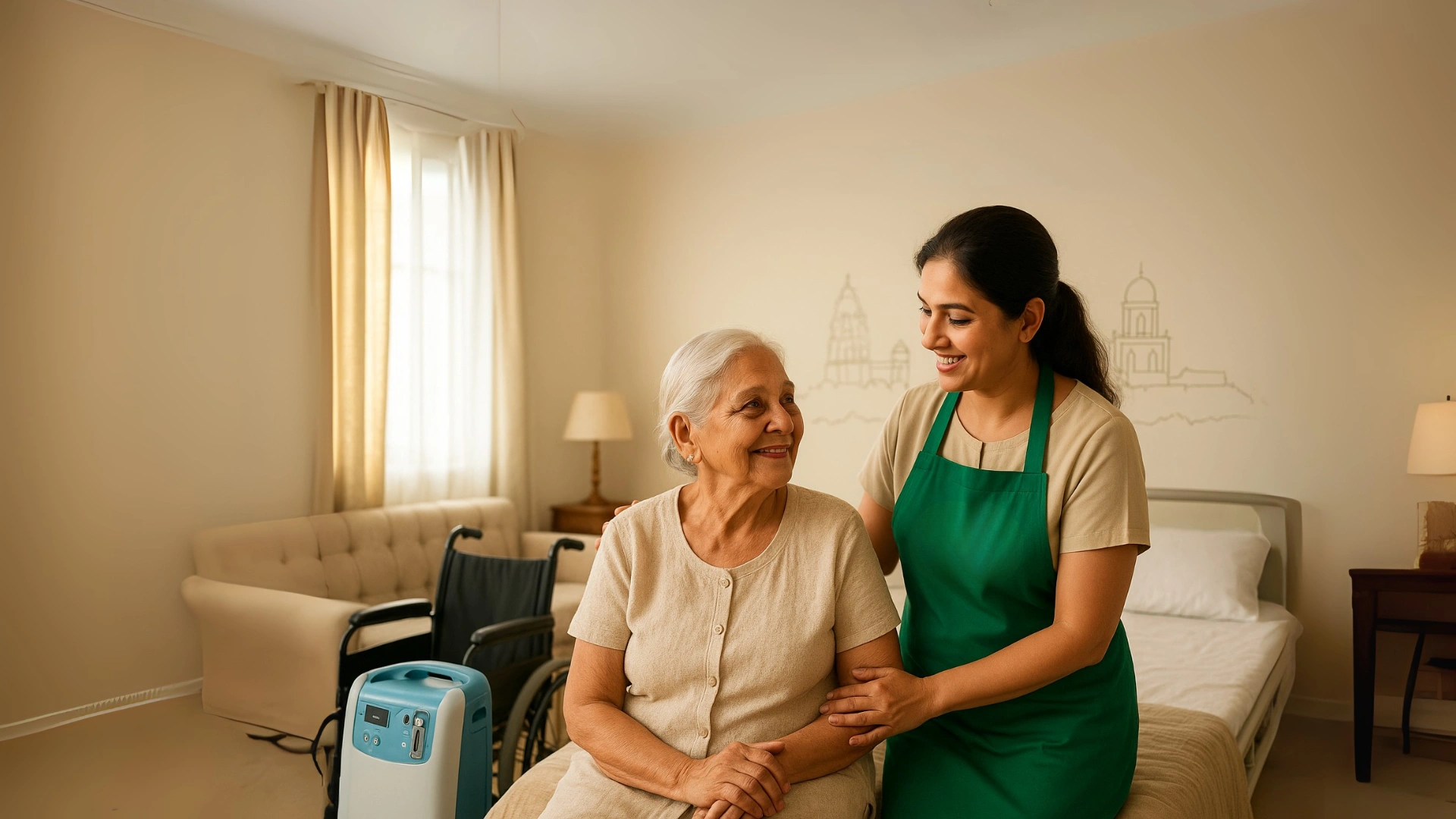
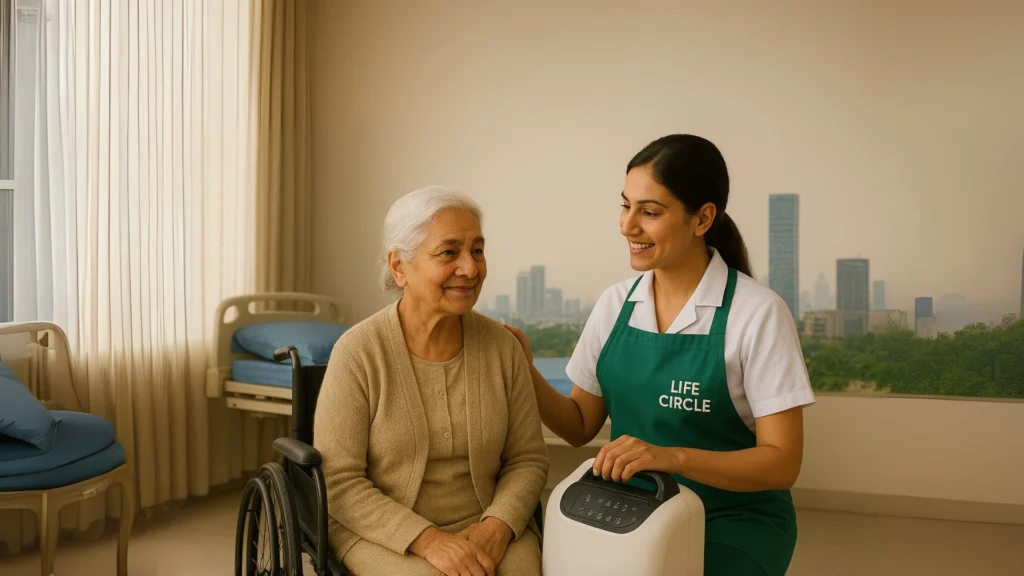
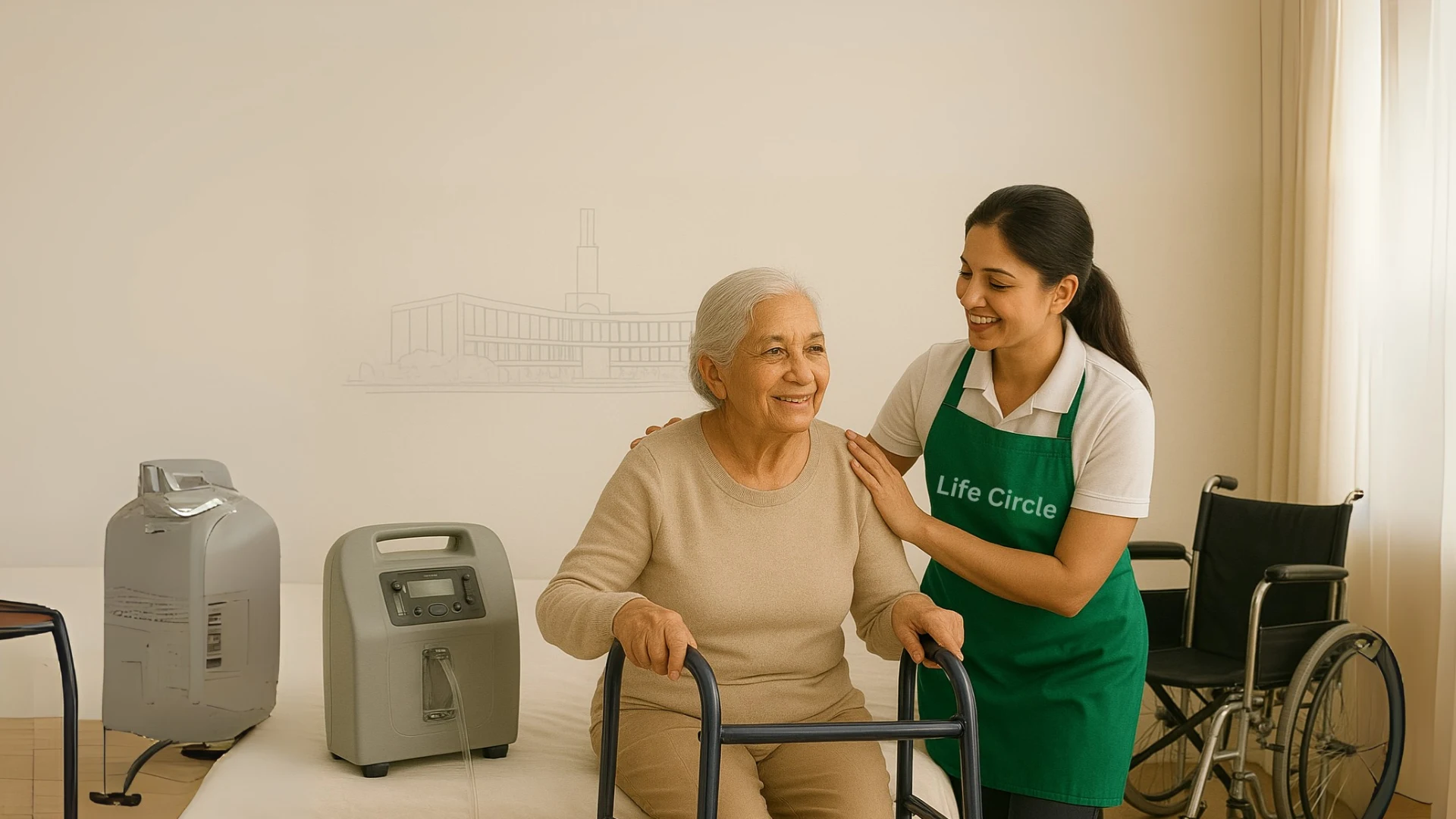
For seniors who are willing and physically able, caregivers should actively encourage and facilitate appropriate exercise routines. Seniors with mobility challenges can benefit greatly from assistive devices such as walkers, canes, or wheelchairs. Caregivers must ensure these aids are used correctly and safely to prevent falls and injuries.

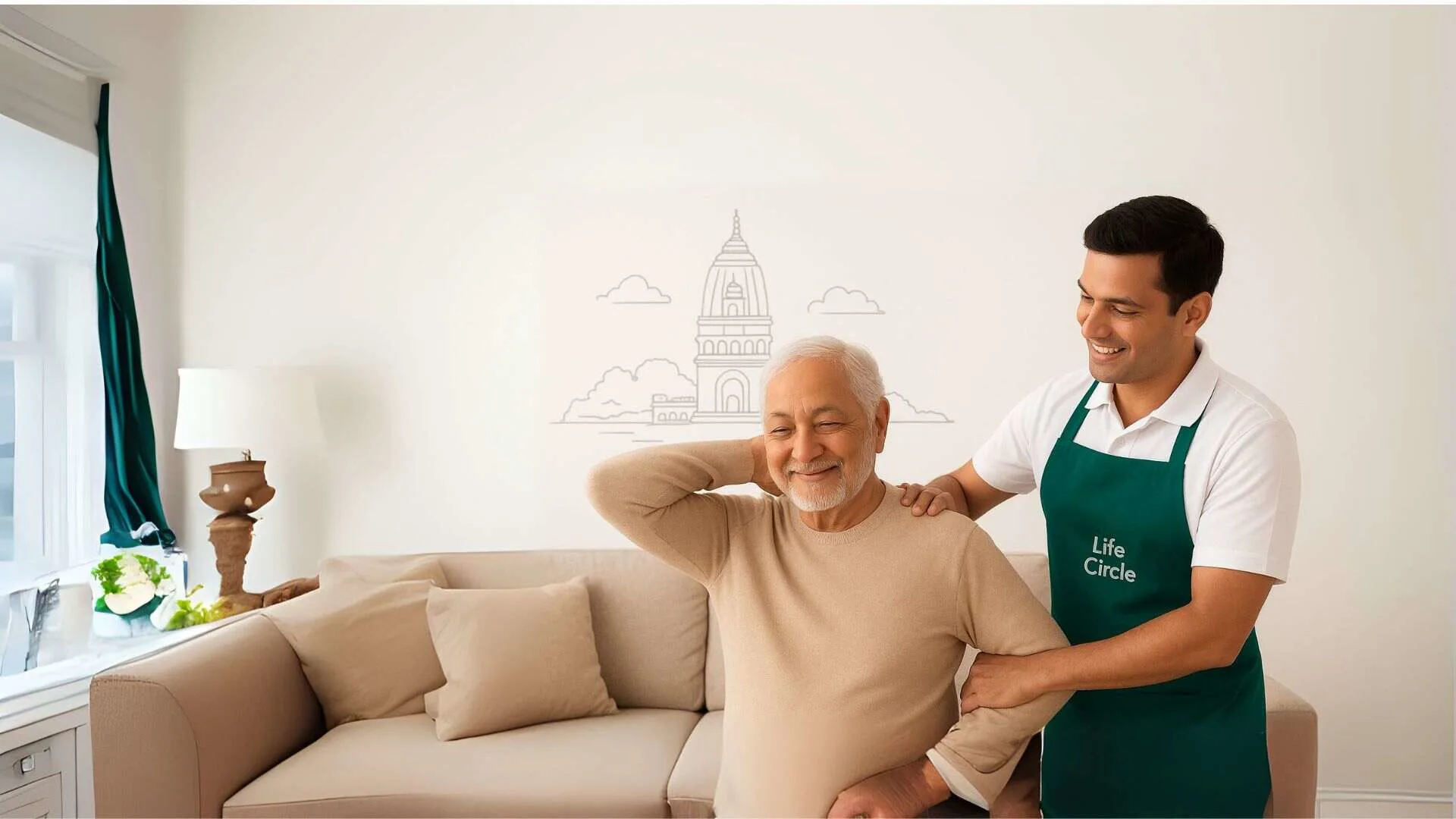
For bedridden or severely limited seniors, passive exercises — where the caregiver gently moves the senior’s limbs — are strongly recommended. These exercises help prevent muscle stiffness, improve circulation, and promote a sense of well-being. Involving a qualified physiotherapist to design a personalized exercise regime is a best practice in Home Care Services for multi-morbid seniors.

  1. Comprehensive Medication Management

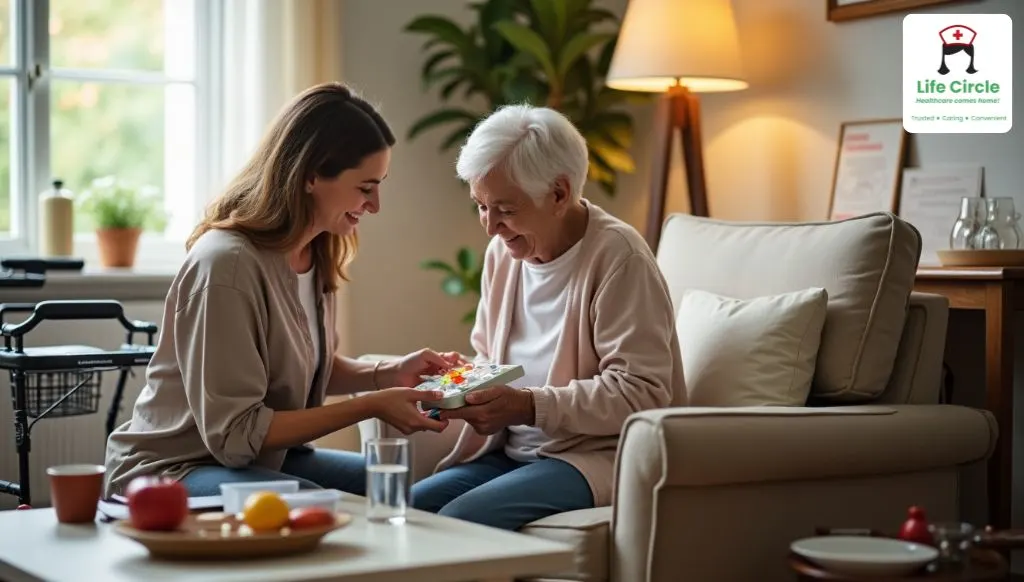
Polypharmacy — the simultaneous use of multiple medications — is a common reality for seniors with multiple illnesses. Managing several drugs effectively is one of the most critical aspects of Nursing Care for multi-morbid seniors.

Effective medication management in elderly care includes:

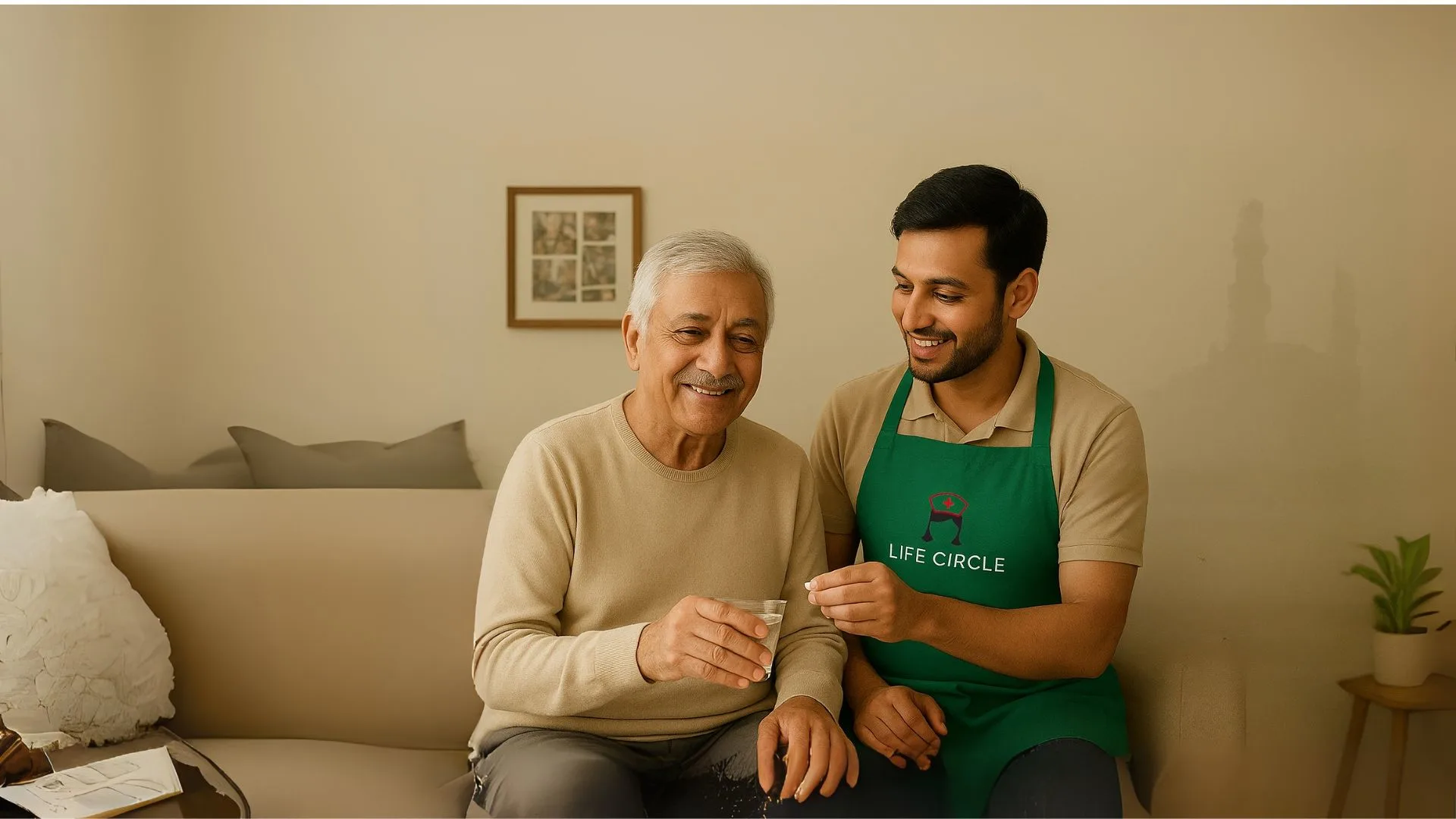
  • Right timing: Administering each medication at the prescribed time, including considerations for pre-meal, post-meal, or bedtime dosing.
  • Correct dosage: Ensuring the exact quantity as prescribed, especially for high-risk medications like insulin, anticoagulants, and cardiac drugs.
  • Drug availability: Proactively ensuring that all required medications are always in stock, preventing missed doses.
  • Monitoring for side effects: Observing the senior for any adverse reactions or drug interactions and reporting them promptly to the physician.
  • Clear documentation: Maintaining an updated and organized medication log that can be shared with healthcare providers during appointments.

For seniors with diabetes, insulin regulation requires particular diligence — coordinating doses with meal timings and activity levels is essential to maintaining safe blood sugar levels.

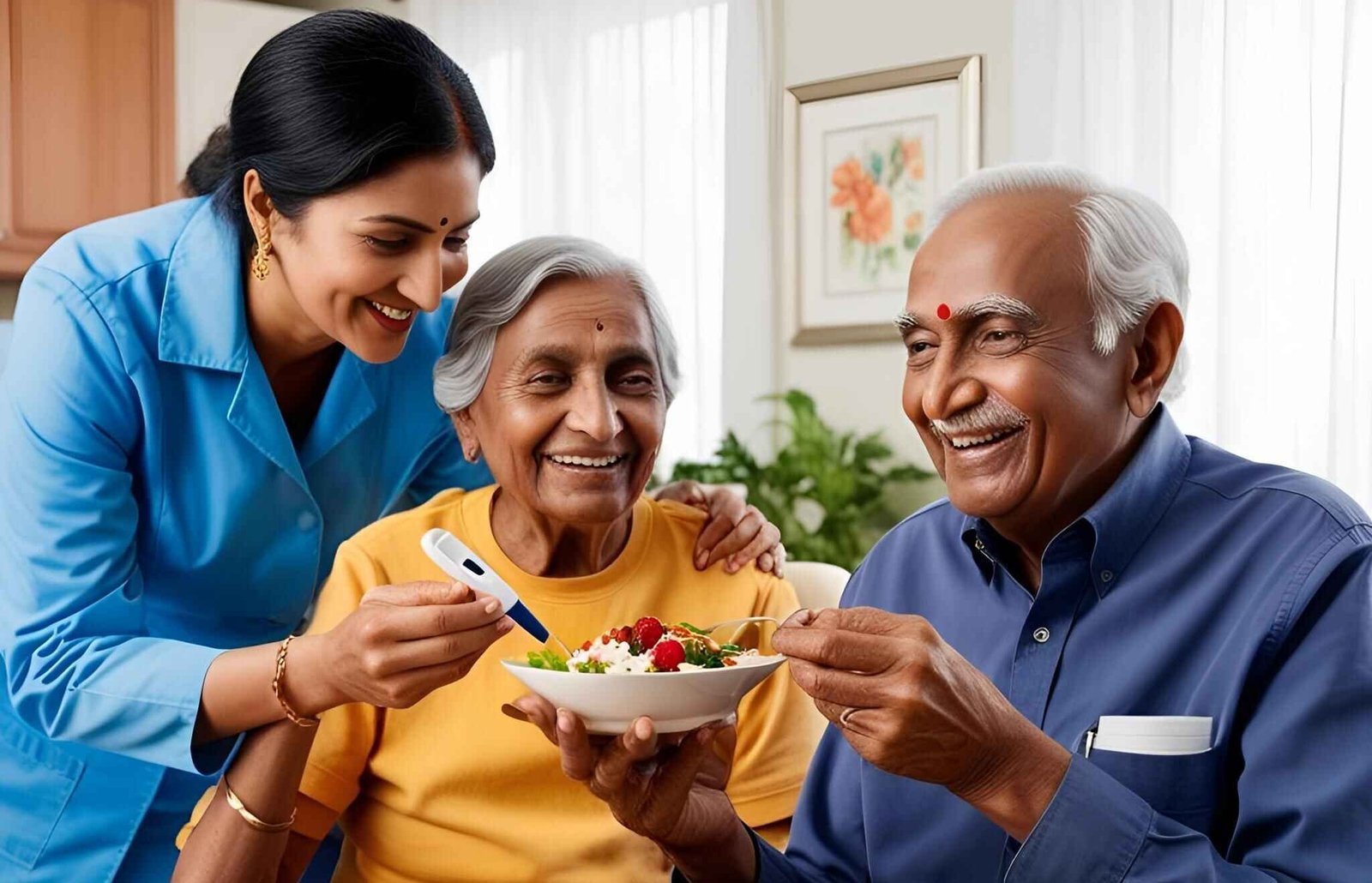
  1. Nutritional Support and Diet Management

Proper nutrition is a cornerstone of managing multiple chronic conditions. A well-designed diet plan tailored to the senior’s specific health conditions can significantly improve their overall well-being and reduce the risk of complications.

For example, a senior with both diabetes and hypertension will require a diet that simultaneously controls blood sugar and sodium intake. Consulting a qualified dietitian to create a personalized meal plan is highly recommended as part of comprehensive Healthcare Services for multi-morbid seniors.

Caregivers should ensure that meals are served on time, that seniors eat adequate portions, and that they stay well-hydrated throughout the day. Swallowing difficulties — a common issue in elderly patients — should also be addressed with appropriate food textures and consistencies.

5. Emotional and Psychological Well-Being

The emotional health of multi-morbid seniors is just as important as their physical health. Living with multiple chronic conditions can lead to feelings of helplessness, anxiety, depression, and social isolation.

Compassionate caregiving involves:

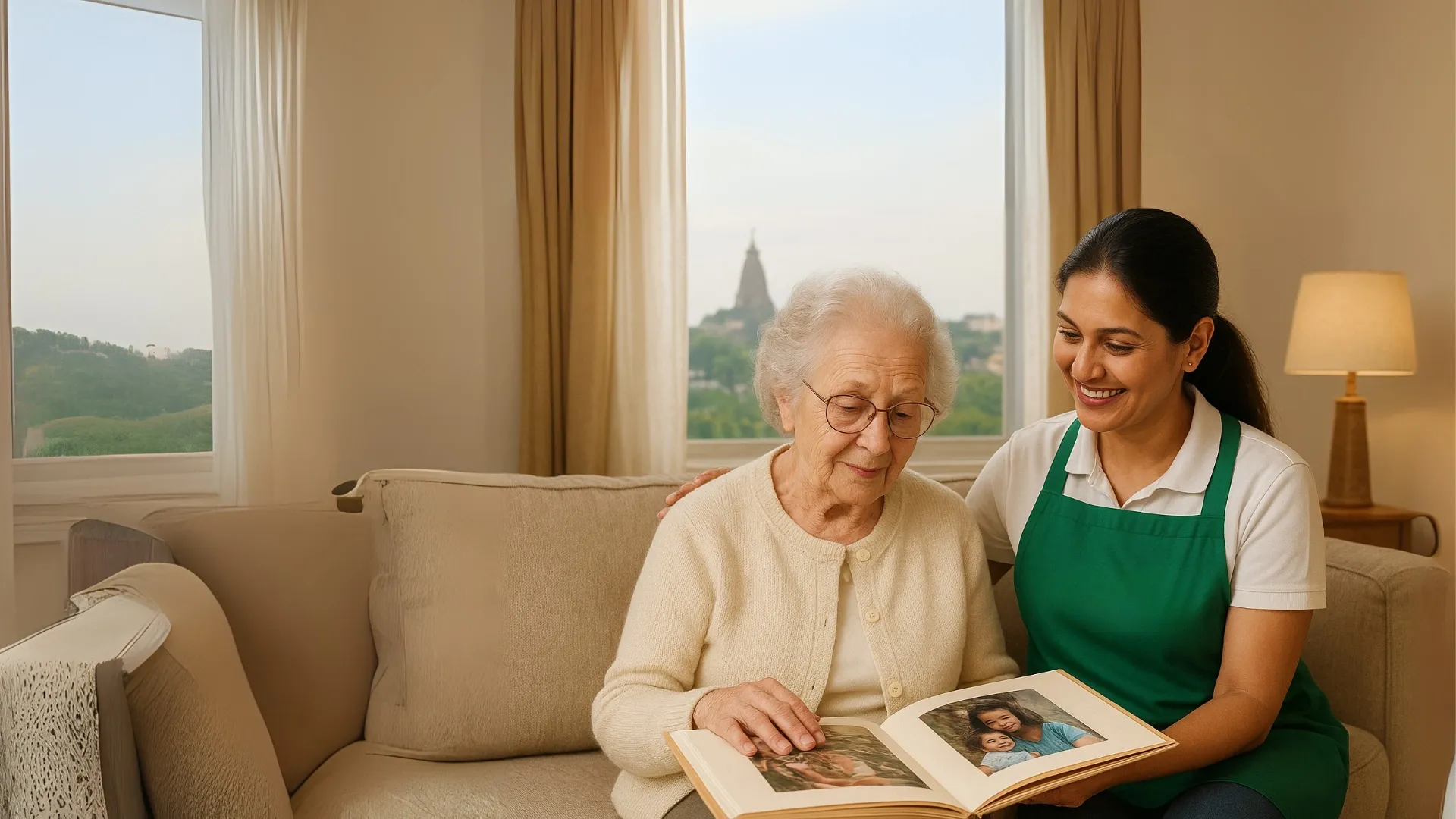
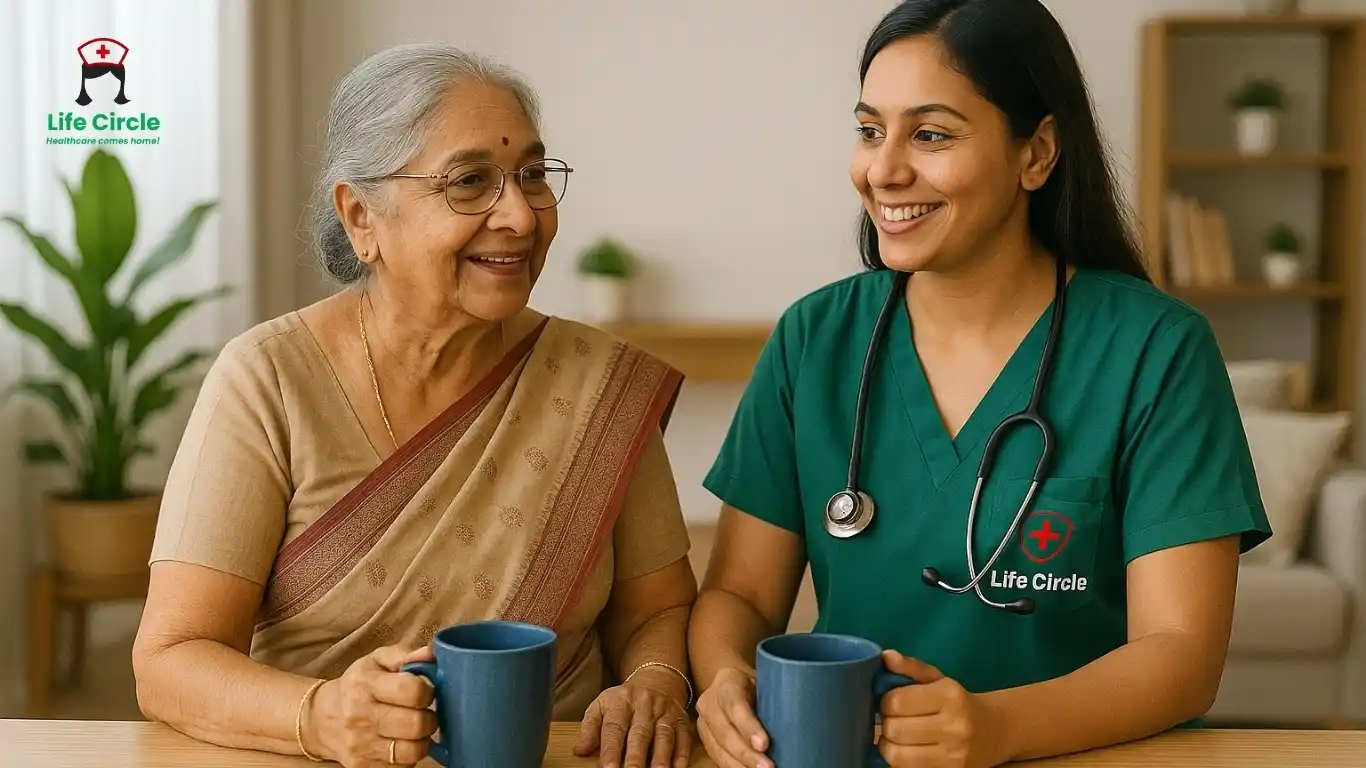
  • Regular conversation and active listening
  • Encouraging social interactions with family and friends
  • Facilitating participation in hobbies or activities the senior enjoys
  • Providing reassurance and emotional validation
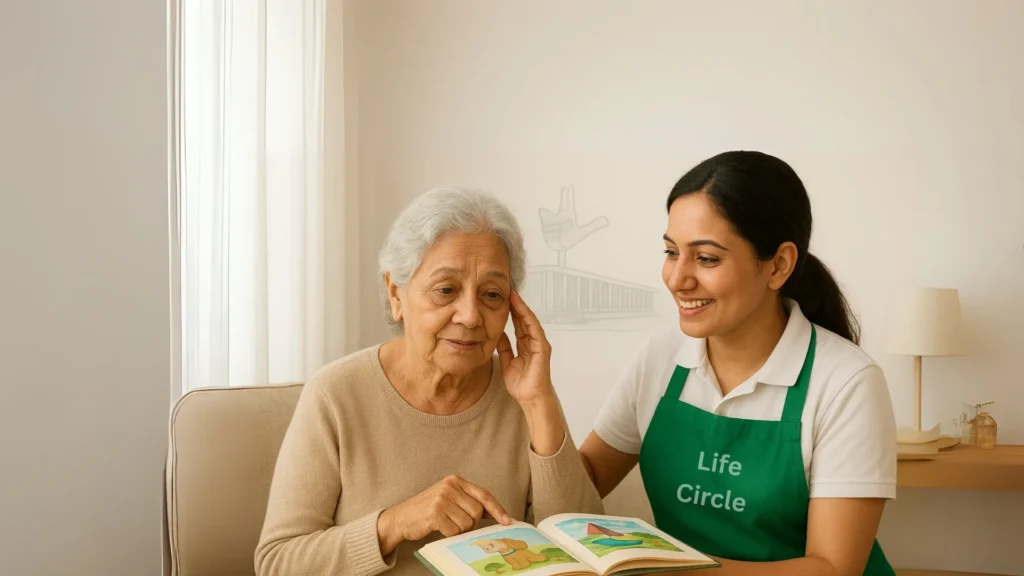
  • Recognizing early signs of depression or anxiety and involving mental health professionals when needed

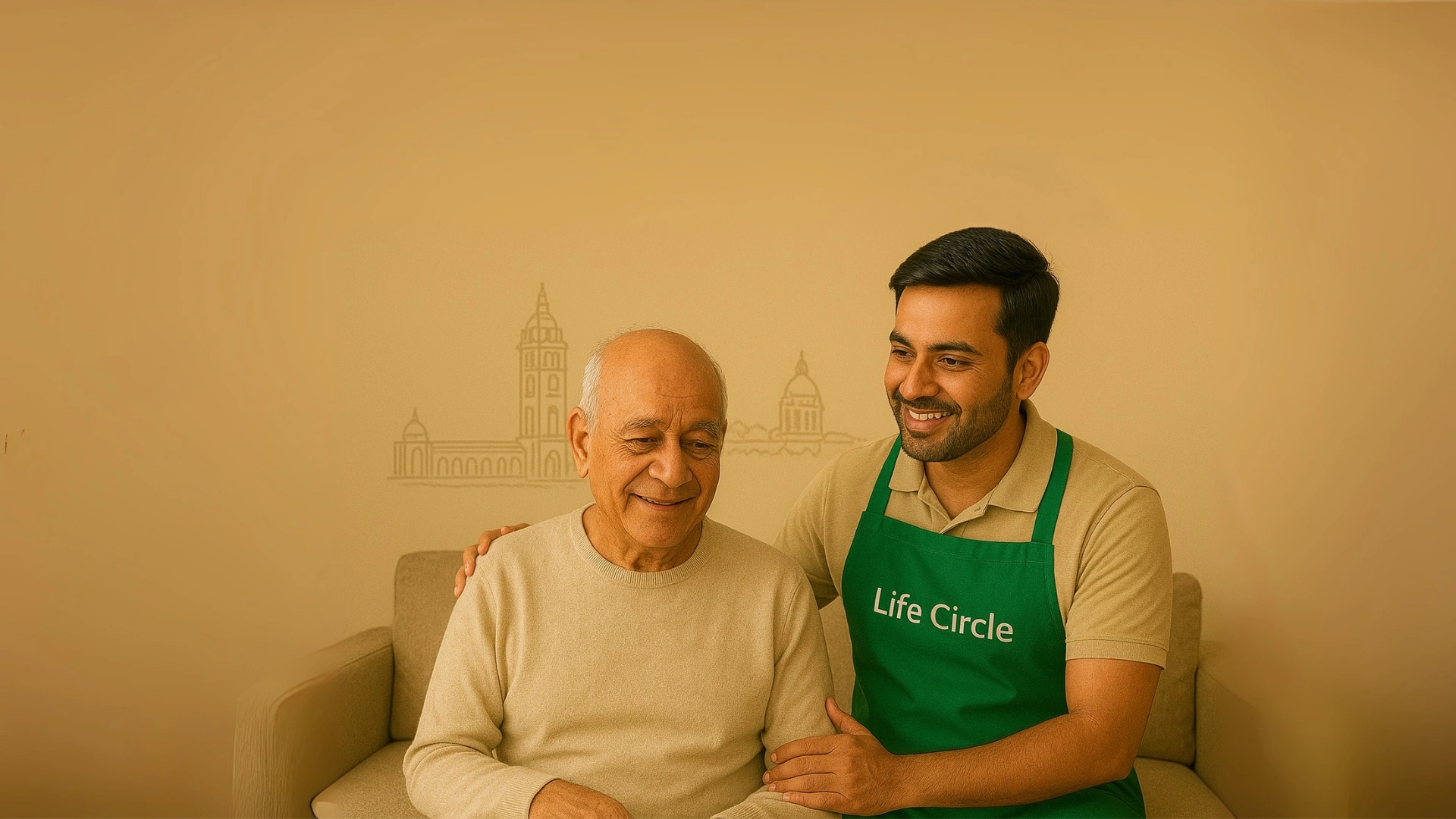
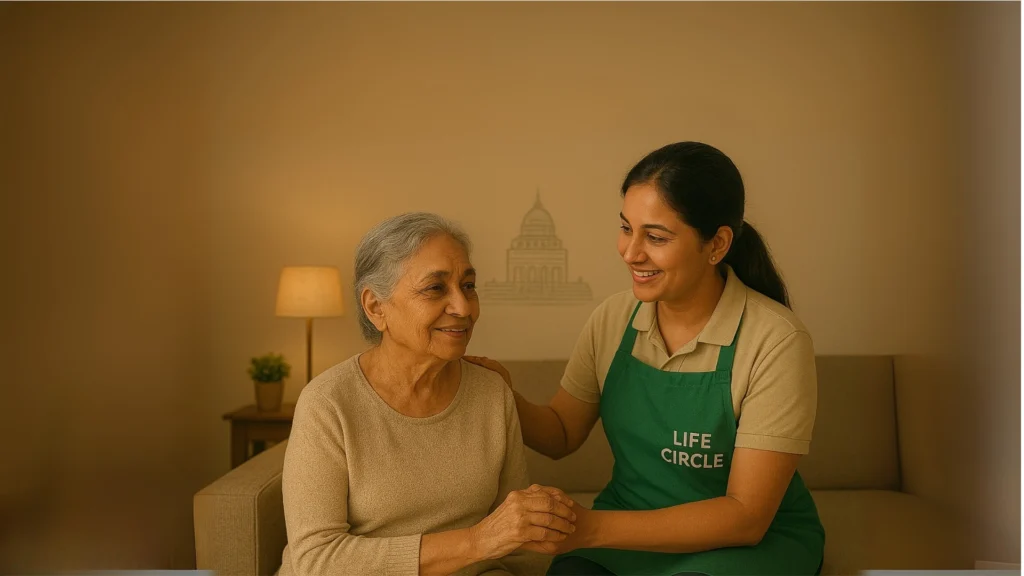
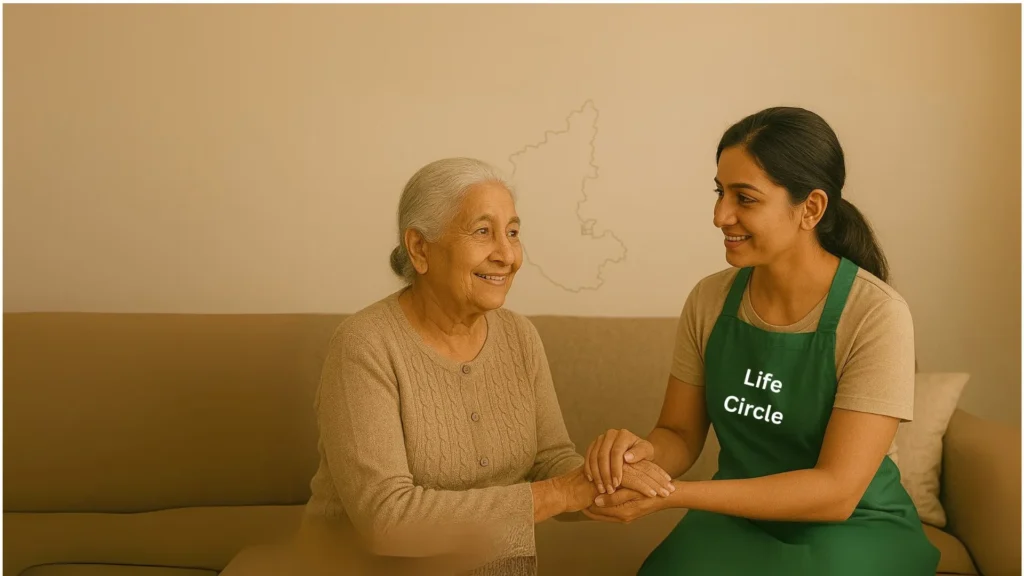
A caregiver who brings warmth, patience, and genuine empathy to their role can make a profound difference in the quality of life of a multi-morbid senior.

  1. Coordination Among Healthcare Providers

Multi-morbid seniors typically receive care from several specialists — a cardiologist, diabetologist, orthopedic specialist, neurologist, and general physician, to name a few. Without proper coordination, there is a risk of conflicting treatments, redundant tests, and medication errors.

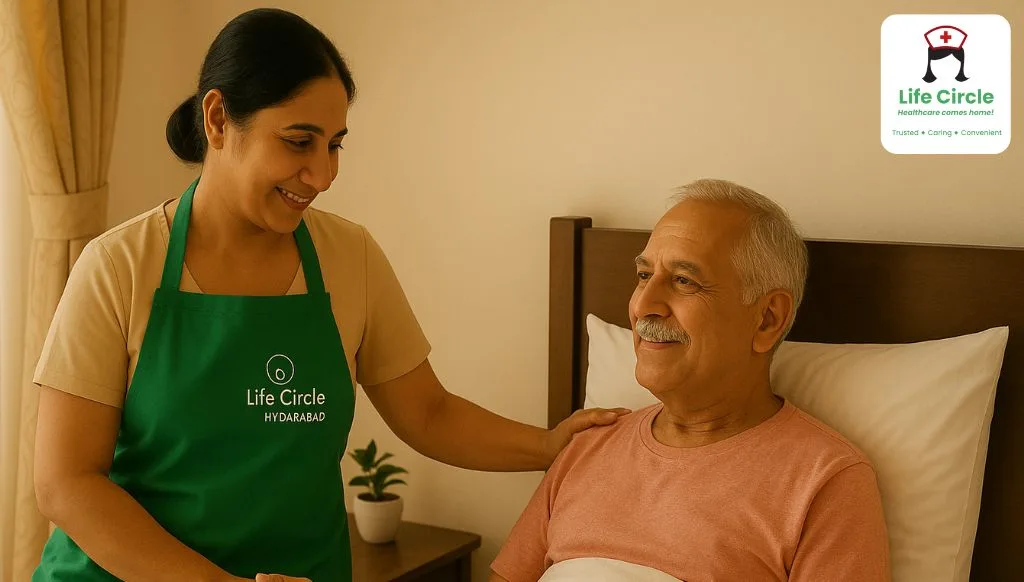
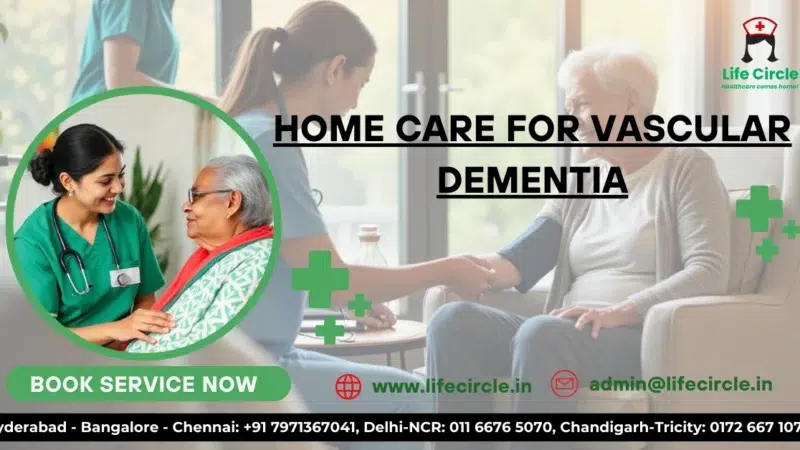
Effective Nursing Care and Home Care Services involve acting as the communication bridge between the senior, their family, and all involved healthcare providers. Keeping organized medical records, scheduling follow-up appointments, and ensuring that all doctors are informed about the senior’s complete health picture is essential.

  1. Fall Prevention and Home Safety

Seniors with multiple chronic conditions — particularly those with arthritis, vision problems, or neurological disorders — are at a significantly higher risk of falls. Falls can lead to serious injuries such as fractures, which can dramatically worsen the senior’s overall health status.

Home safety measures for multi-morbid seniors include:

  • Installing grab bars in bathrooms and stairways
  • Removing trip hazards such as loose rugs and cluttered walkways
  • Ensuring adequate lighting throughout the home
  • Using non-slip footwear
  • Regularly assessing and updating mobility aids
  1. Long-Term Care Planning

As multi-morbid seniors age, their care needs will inevitably evolve. Proactive long-term care planning — including advance care directives, palliative care considerations, and regular reassessment of care plans — ensures that seniors continue to receive appropriate support at every stage.

Families should work closely with professional Home Care Services providers to regularly review and update the care plan based on changes in the senior’s health status, preferences, and goals.

Why Choose Professional Elderly Care for Multi-Morbid Seniors?

While family support is invaluable, the complexity of managing multiple chronic conditions often requires the expertise of trained professionals. Professional Nursing Care and Home Care Services providers bring:

  • Clinical knowledge and skills tailored to elderly care
  • Experience in managing polypharmacy and chronic disease complications
  • Ability to recognize early warning signs and respond appropriately
  • Emotional and psychological support for both seniors and their families
  • Coordination with healthcare teams for seamless, integrated care

Life Circle’s specialized elderly care services are designed to provide exactly this level of comprehensive, compassionate support — helping multi-morbid seniors maintain their independence, dignity, and quality of life at home.

Conclusion

Elderly Care for Multi-Morbid Seniors is both an art and a science. It demands a deeply empathetic approach combined with professional medical expertise, structured care planning, and seamless coordination across all aspects of a senior’s life.

From tracking vital signs and managing complex medication regimens to providing emotional support and ensuring home safety, every element of care must be thoughtfully tailored to meet the unique and evolving needs of each senior. The goal is not merely to manage medical conditions — but to enhance the overall quality of life, restore a sense of purpose, and uphold the dignity of every senior in care.

With the right combination of professional Home Care Services, dedicated Nursing Care, and family involvement, multi-morbid seniors can live more comfortably, safely, and meaningfully. By placing the senior’s well-being at the center of every decision, families and care providers together can deliver world-class Elderly Care for Multi-Morbid Seniors — making a genuine, lasting difference in the lives of those who deserve it most.

If you are looking for specialized, compassionate, and comprehensive elderly care for a loved one with multiple chronic conditions, Life Circle is here to help. Reach out to us today to learn more about our tailored Healthcare Services and Home Care Services for multi-morbid seniors.