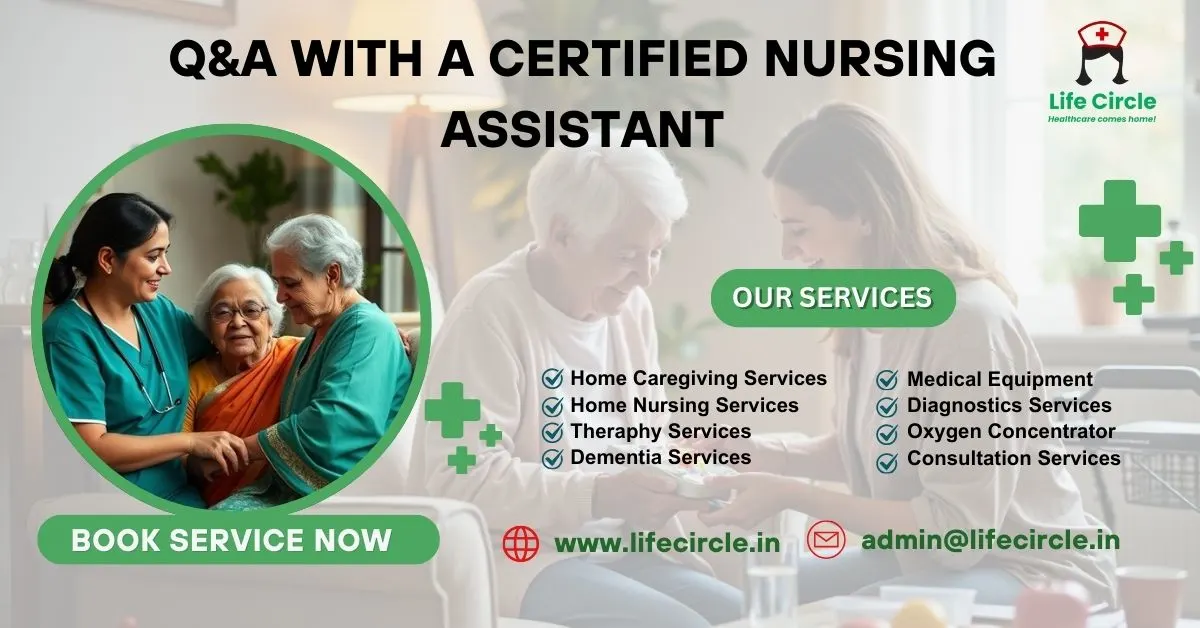
Q&A with a Certified Nursing Assistant
A Q&A with a Certified Nursing Assistant reveals the heart behind one of healthcare’s most essential roles. Certified Nursing Assistants (CNAs) are the compassionate hands that provide individuals with dignity, comfort, and care during their most vulnerable moments. Whether assisting with daily living activities or offering emotional reassurance, CNAs are indispensable members of the healthcare team.
This Q&A with a Certified Nursing Assistant offers firsthand insights into their daily responsibilities, emotional challenges, and the meaningful relationships they build with patients and families. Whether you are considering a career in caregiving or simply want to better understand the person looking after your loved one, this blog sheds light on the deeply rewarding world of CNAs.
Hiramani Majhi is a 20-year-old Certified Nursing Assistant hailing from Odisha. Every client she has worked with has praised her sincerity, dedication, and compassionate approach to care. Below are excerpts from an in-depth interview with her, where she describes her experience caring for a bedridden patient and what a typical day looks like in her role.
What Inspired You to Become a Certified Nursing Assistant?
One of the most compelling questions in any Q&A with a Certified Nursing Assistant is what drives a person toward this profession. For the majority of CNAs, the motivation is deeply personal — a genuine desire to help people and make a tangible, meaningful difference in someone’s life.
For Hiramani, the journey began with a volunteering experience at a nursing home. Witnessing first-hand how hands-on care and emotional presence could transform a patient’s quality of life opened her eyes to the true value of the CNA role. That experience planted the seed for a fulfilling career dedicated to serving others with empathy and professionalism.
When Did You Join Life Circle?
Hiramani joined Life Circle in September 2016. Since then, she has worked with multiple patients across varying levels of care needs, consistently earning recognition for her commitment and compassion.
Q&A with a Certified Nursing Assistant: What Kinds of Patients Have You Cared For?
In this Q&A with a Certified Nursing Assistant, Hiramani shares her diverse caregiving experience:
I have cared for two bedridden patients, one patient who required mobility assistance, and a dementia patient undergoing chemotherapy. The longest assignment I had was caring for Mr. Baburao — a frail and bedridden senior — for approximately 4 to 5 months until he passed away recently.
Each patient presented unique challenges, and each experience helped Hiramani grow both professionally and personally as a caregiver.
Tell Us About a Typical Day Caring for Mr. Baburao
One of the most revealing parts of this Q&A with a Certified Nursing Assistant is Hiramani’s description of a full day caring for a bedridden patient. Her routine illustrates not only the physical demands of the role but also the level of attention and dedication required.
Morning Routine (6:00 AM – 12:00 PM)
Hiramani’s day began as early as 6:00 AM, when she would feed Mr. Baburao through a Ryle’s tube before resting briefly until 8:00 AM. Once fully up, she would:
- Change the patient’s diaper
- Administer a sponge bath
- Change his clothing and bed sheets
- Lead him through gentle exercises
- Prepare for the next feeding session
Mr. Baburao was fed liquid food — prepared by his family — through a Ryle’s tube every two hours. Hiramani also washed soiled clothing in the morning, keeping her continuously busy until noon or early afternoon.
Managing Bedsores and Positioning
When Hiramani first began caring for Mr. Baburao, he had developed several bedsores due to prolonged immobility. She diligently cleaned the affected areas and applied medicated creams as part of his daily care routine. Within a month, his condition showed marked improvement. To prevent further sores, she repositioned him every one to two hours throughout the day — a crucial yet physically demanding responsibility.
Afternoon and Evening Routine
Despite her packed schedule, Hiramani found brief moments to rest, watch television, or speak with her family by phone. In the evenings, she would:
- Massage Mr. Baburao’s hands and legs with coconut oil
- Repeat prescribed exercises
- Follow the exercise schedule provided by the visiting physiotherapist
The patient’s final feeding of the day was at 10:00 PM, after which Hiramani would settle in for the night by 11:00–11:30 PM.
How Did the Patient's Family Treat You?
An often-overlooked dimension in a Q&A with a Certified Nursing Assistant is the relationship between the caregiver and the patient’s family. Hiramani reflects warmly on her experience:
They were very good people and treated me with respect — like just another family member. Whenever I needed to get Mr. Baburao into a sitting position for his feedings, I needed assistance to lift him. Someone from his family was always there to help. Their support made a significant difference.
This collaborative dynamic between caregiver and family is essential for ensuring consistent, high-quality patient care. When families and CNAs work as a team, the patient benefits most.
Do You Find Your Work as a Certified Nursing Assistant Meaningful?
When asked whether she finds fulfillment in her role, Hiramani’s answer reflects both professional pride and personal motivation:
I really value my job as a Certified Nursing Assistant at Life Circle. I am proud to provide quality care to patients who truly need it, and I am equally proud to be able to support my family financially through this work.
Her response captures a sentiment shared by many CNAs — the work is challenging, but the sense of purpose it provides is unmatched.
Key Takeaways from This Q&A with a Certified Nursing Assistant
This Q&A with a Certified Nursing Assistant highlights several important lessons for families, patients, and aspiring caregivers:
- CNAs go beyond physical care. From managing bedsores to administering tube feedings, their responsibilities are medically significant and require proper training and attentiveness.
- Emotional resilience is essential. Caring for patients at the end of life requires emotional strength, empathy, and the ability to form genuine human connections.
- Family collaboration enhances care. When families actively support and respect their caregivers, the quality of patient care improves significantly.
- CNAs bring dignity to difficult moments. Their presence ensures that patients — even those who are bedridden or cognitively impaired — are treated with respect and compassion every single day.
- The CNA career is deeply rewarding. Despite the physical and emotional demands, CNAs like Hiramani find profound meaning in their work.
Why This Q&A with a Certified Nursing Assistant Matters
The insights shared in this Q&A with a Certified Nursing Assistant serve as a reminder of the vital human element that underlies all healthcare. CNAs are not simply task-doers — they are companions, advocates, and sources of comfort for some of the most vulnerable individuals in society.
For families seeking home care for an aging or ill loved one, understanding the scope of a CNA’s role can help set realistic expectations and build a stronger, more trusting caregiving relationship. For those considering a career in healthcare, Hiramani’s story is both an inspiration and a realistic glimpse into what the role truly entails.
At Life Circle, trained and certified nursing assistants like Hiramani bring professional expertise and heartfelt dedication to every home they serve. Whether your loved one needs help with mobility, bedridden care, dementia support, or post-surgical recovery, Life Circle’s team is equipped to provide compassionate, expert-level care.
Conclusion
This Q&A with a Certified Nursing Assistant offers a genuine and moving glimpse into the life of a caregiver who gives her heart and soul to the individuals she serves. The CNA profession is not without its challenges, but it remains one of the most meaningful and impactful careers in healthcare.
Through Hiramani’s story, we see that CNAs do far more than manage physical care routines — they bring companionship, dignity, and unwavering emotional support to patients and families during the most difficult chapters of their lives. Their work is a quiet, powerful force for good in our healthcare system, and it deserves to be recognized and celebrated.