28-09-2025
The Future of Senior Care in India 2030: Key Trends and Opportunities
Written By: Nagaraju Raparthi, Senior Content & Care Story Writer
Introduction:
India stands at a critical demographic crossroads. By 2030, over 194 million seniors aged 60 and above will call India home, representing nearly 20% of the total population. This unprecedented demographic shift represents one of the most significant challenges and opportunities facing the nation today.
The Future of Senior Care in India 2030 will fundamentally reshape how families approach elder care, how healthcare systems deliver services, and how policymakers allocate resources. Rising demand for quality care, evolving family structures due to urbanization and migration, and the rapid integration of technology and professional caregiving services will collectively transform India’s senior care landscape.
Understanding these trends is essential for families, healthcare providers, government agencies, and investors who must prepare for this transformation now to ensure dignified, accessible, and affordable senior care for all Indians.
Key Trends Shaping the Future of Senior Care in India 2030
1. Rising Demand for Home-Based Care
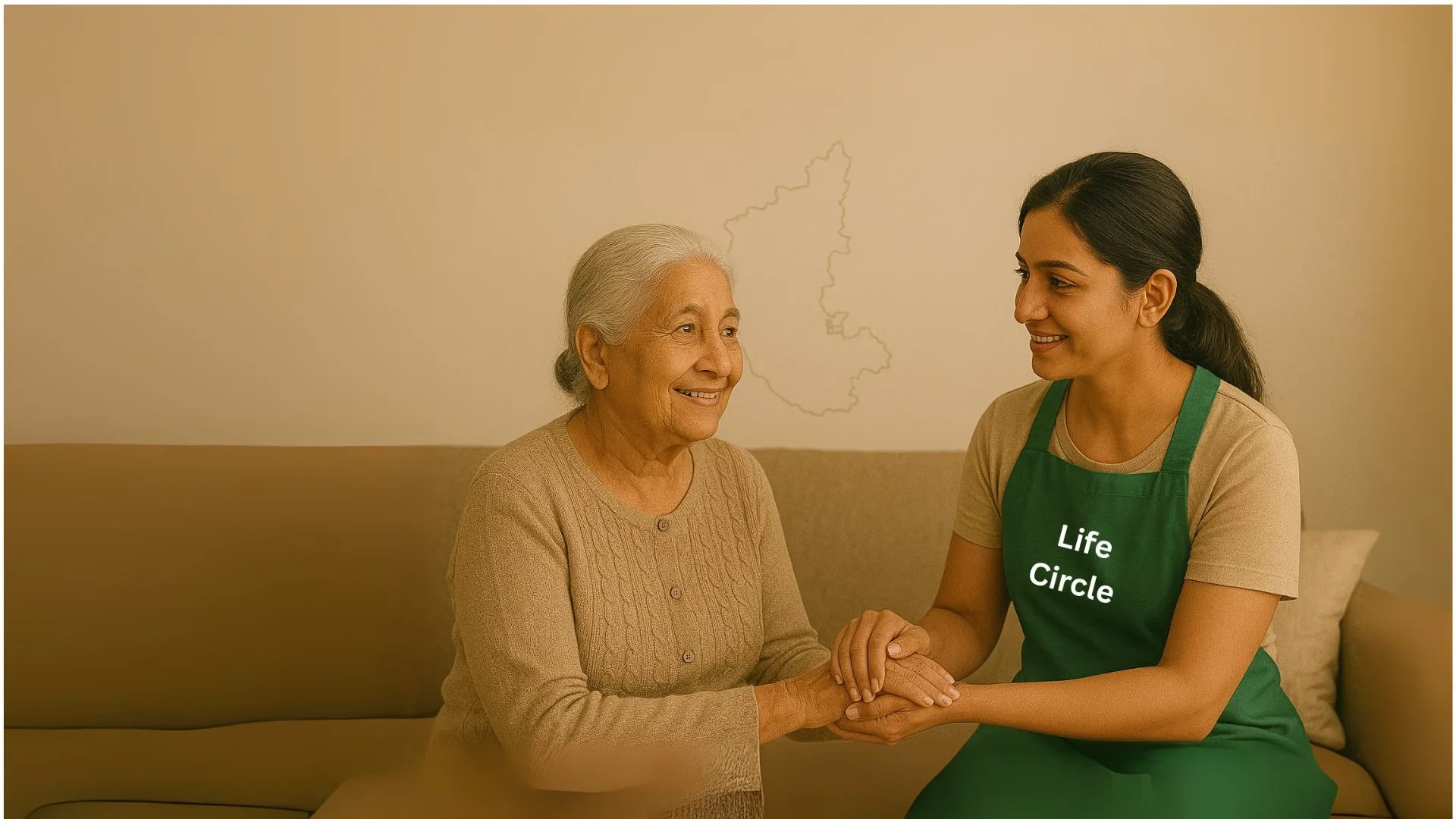
One of the most significant trends reshaping senior care is the strong preference among elderly Indians to age in place. Research indicates that the vast majority of seniors prefer to spend their final years in the comfort of their own homes, surrounded by familiar environments and family members.
This preference for home-based care is creating unprecedented demand for:
- Trained home caregivers with formal certifications and specialized skills
- Professional home nurses capable of managing complex medical conditions
- Companion care services that provide emotional support and daily living assistance
Specialized geriatric home care for seniors with specific health conditions
By 2030, the shortage of trained caregivers is expected to become a critical bottleneck, making this an urgent priority for skill development and workforce expansion across India.
2. Growing Burden of Dementia and Chronic Care Needs
As India’s population ages, the prevalence of age-related diseases is increasing at an alarming rate. The Future of Senior Care in India 2030 must account for a dramatic rise in dementia cases, which are projected to exceed 7.6 million by 2030—a concerning increase from current levels.
Additionally, seniors are increasingly living with multiple chronic conditions simultaneously:
- Diabetes affecting over 60% of seniors
- Hypertension impacting cardiovascular health
- Heart disease requiring continuous monitoring
- Arthritis and mobility issues limiting independence
- Cognitive decline and Alzheimer’s disease demanding specialized care
These conditions require ongoing, long-term care management, specialized training for caregivers, and advanced monitoring systems to ensure seniors maintain quality of life while managing their health conditions effectively.
3. Nuclear Families and Geographic Migration
Traditional multi-generational families, once the cornerstone of Indian elder care, are rapidly becoming less common. Urbanization, education, and employment opportunities have led to significant demographic shifts:
- More families are split across different cities and states
- Increasing numbers of NRI families living abroad while their elderly parents remain in India
- Young professionals migrating to metropolitan areas for better career prospects
- Adult children unable to provide full-time physical care to aging parents
This geographic dispersion means families can no longer rely solely on traditional family-based care models. Instead, they must depend on professional elder care providers and technology-enabled solutions to bridge the distance and ensure their parents receive quality care.
4. Technology-Enabled Senior Care Solutions
The integration of advanced technology is revolutionizing how senior care is delivered across India. The Future of Senior Care in India 2030 will be deeply intertwined with digital innovation:
- AI-powered monitoring tools that track vital signs and detect health anomalies in real-time
- Telemedicine platforms connecting seniors with doctors remotely for consultations
- Caregiver management apps streamlining communication between families and care providers
- Wearable devices monitoring activity levels, falls, and health metrics
- Connected smart home devices enhancing safety and independence
- Automated medication reminders ensuring adherence to prescriptions
These technological advancements not only improve the quality of care but also reduce costs, increase transparency, and provide peace of mind to family members monitoring their parents from afar.
5. Senior Care as a Job-Creation Engine
The expansion of India’s senior care sector represents a massive employment opportunity. The massive workforce required to support 194 million seniors will create millions of new jobs, particularly benefiting:
- Women seeking flexible, meaningful work opportunities
- Rural youth looking for skills-based employment
- Semi-skilled workers requiring professional training and certification
Unemployed graduates seeking entry into the care economy
India’s care economy is projected to become a multi-billion-dollar sector by 2030, rivaling traditional industries in economic contribution and job creation potential. This represents not just economic growth, but also dignified employment opportunities for millions of Indians.

Major Opportunities in the Future of Senior Care in India 2030
Impact Investment and Sector Growth
Investors and financial institutions are increasingly recognizing elder care as India’s next high-impact, high-growth sector. This emerging interest is driving:
- Venture capital funding for senior care startups
- Private equity investments in care infrastructure
- Social impact investments focused on affordable care solutions
- Government incentives for care providers and training institutions
Public-Private Partnerships (PPPs)
Collaborations between government agencies, private healthcare providers, and non-profit organizations will be crucial for scaling senior care. Effective PPPs can:
- Improve affordability and accessibility of careLeverage government infrastructure with private sector efficiency services
- Create sustainable, scalable care delivery models
- Develop standardized training and certification programs
- Build integrated care networks across regions
Insurance and Financial Products
New insurance and financing products are emerging to address the high costs of long-term senior care:
- Long-term care insurance policies specifically designed for Indian seniors
- Health insurance plans covering home-based care services
- Care financing options making professional care affordable for middle-class families
- Savings programs helping families plan for future care needs
- Government-backed schemes supporting vulnerable elderly populations
Community-Based Care Models
Beyond home and institutional care, innovative community-based models are gaining traction:
- Senior day-care centers providing social engagement and health monitoring
- Drop-in centers offering flexible, short-term support services
- Community health worker networks bringing care closer to neighborhoods
- Integrated care hubs combining medical, social, and recreational services
- Peer support groups addressing mental health and social isolation
These models support both seniors seeking social connection and working caregivers needing respite care.
Elder Care Trends in India: What Families Need to Know
The ageing population 2030 will require families to rethink their approach to elder care entirely. Key considerations include:
- Planning early for potential care needs while parents are still independent
- Exploring professional care options rather than relying exclusively on family members
- Adopting technology tools for monitoring and communication
- Understanding insurance and financial options for long-term care
- Building support networks combining family, professional care, and community resources
How Life Circle is Shaping Future Senior Care in India
Life Circle is at the forefront of transforming senior care in India, preparing comprehensively for the opportunities and challenges of 2030:
Geographic Expansion: Expanding professional care services across major metropolitan areas including Hyderabad, Bengaluru, Chennai, Mumbai, Pune, Delhi NCR, Noida, Gurgaon, Chandigarh, and Navi Mumbai—ensuring senior care reaches Indians across the country.
Workforce Development: Training thousands of youth through the Care Vidya Academy, creating certified caregivers equipped with modern skills and compassion.
Digital Innovation: Deploying the CareTube app to connect families with caregivers, enabling transparent, real-time monitoring and communication.
Affordable Solutions: Offering scalable care packages starting from ₹18,000/month, making professional senior care accessible to middle-class Indian families.
Technology Integration: Building comprehensive technology-enabled solutions serving both families in India and NRI families abroad, bridging geographic distances.
Conclusion
The Future of Senior Care in India 2030 marks a transformative moment for the nation. Senior care will transition from being viewed purely as a family-only responsibility to becoming a structured, professional sector with trained caregivers, innovative business models, and government support.
As India’s population ages rapidly, the time to act is now. Families must begin planning, providers must scale operations, investors must recognize the opportunity, and policymakers must create enabling frameworks. Only through collaborative effort can India build a senior care ecosystem that is affordable, accessible, dignified, and sustainable for all elderly citizens.
The silver economy boom is not a future prediction—it is an immediate reality that demands attention, investment, and innovation today.